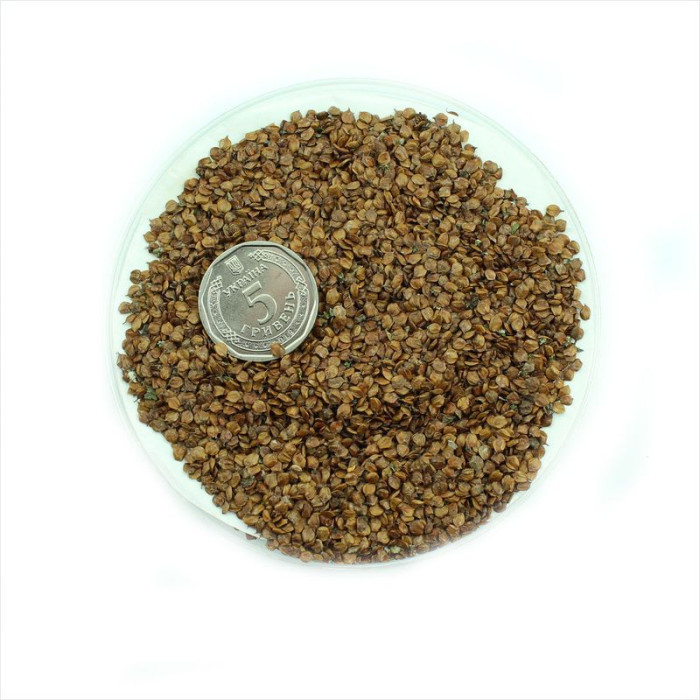
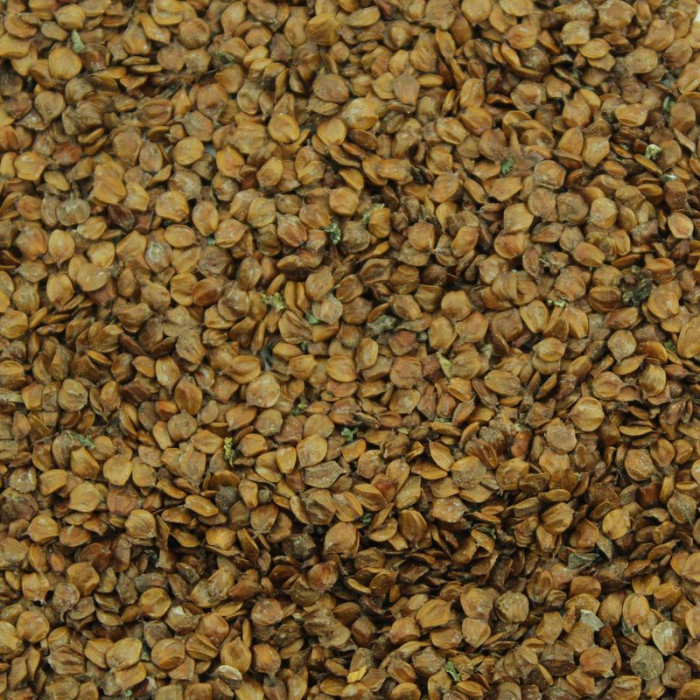
Grey alder seeds
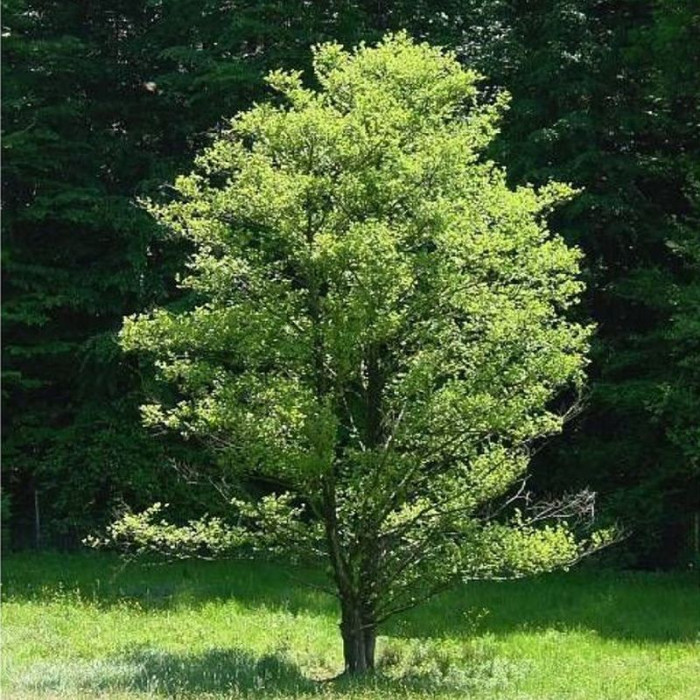
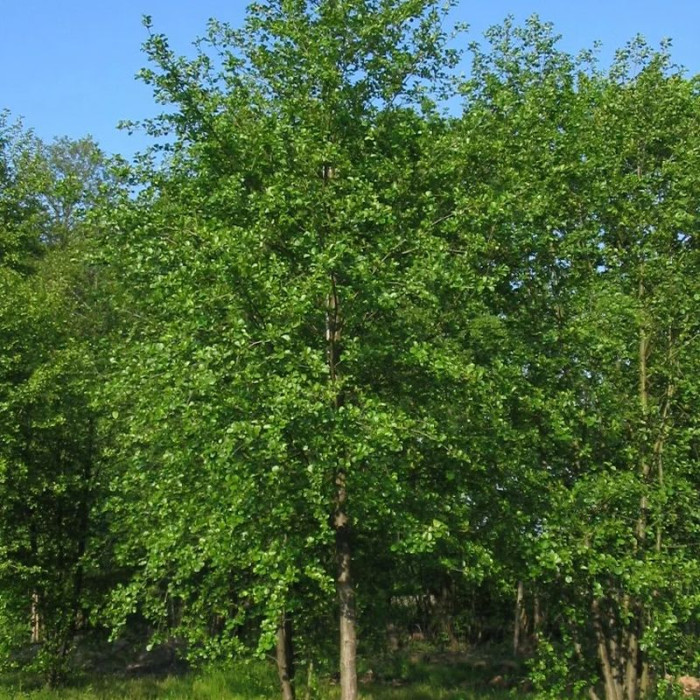
Grey alder, tag alder or speckled alder / Alnus incana - this species belongs to the Alder genus (Alnus) of the Birch family (Betulaceae). It is a deciduous tree with a conical shape that can reach up to 20 meters in height. In many cases, however, gray alder grows as a shrub with a narrow, oval-shaped crown. The trunk diameter can reach up to 50 cm.
The trunk is rarely perfectly straight and is usually marked by numerous ridges and depressions. The tree grows rapidly during the first 10–15 years, after which its growth slows considerably. The average lifespan is about 50–60 years, although some specimens are known to live for more than 100 years.
The root system is shallow and is mainly located in the upper soil layer at a depth of 10–20 cm. The bark is light gray, smooth, and does not develop a cork layer. Young shoots are greenish but become brown or dark gray with age. The shoots are covered with fine gray hairs.
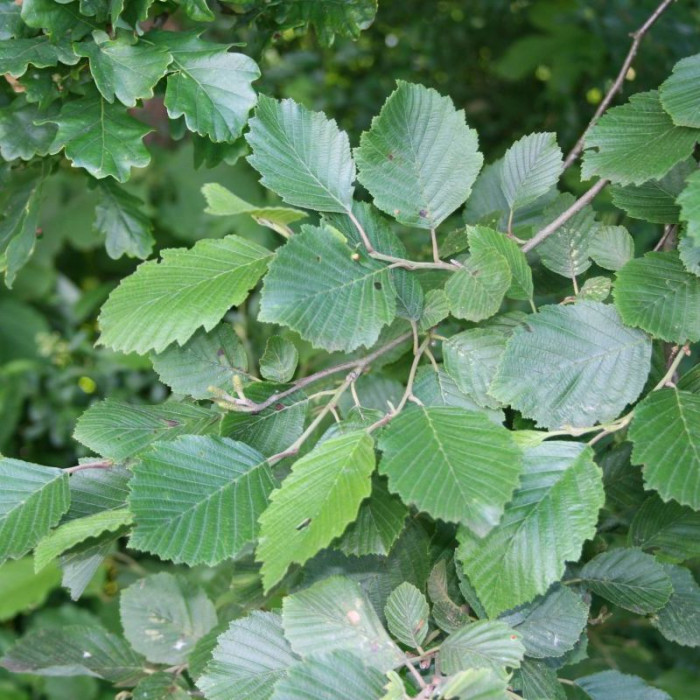
The leaves are arranged alternately in three rows. They are oval, oval-lanceolate, or broadly egg-shaped, about 10 cm long and 3.5–7 cm wide. The upper surface is green, while the underside is grayish-white and softly hairy.
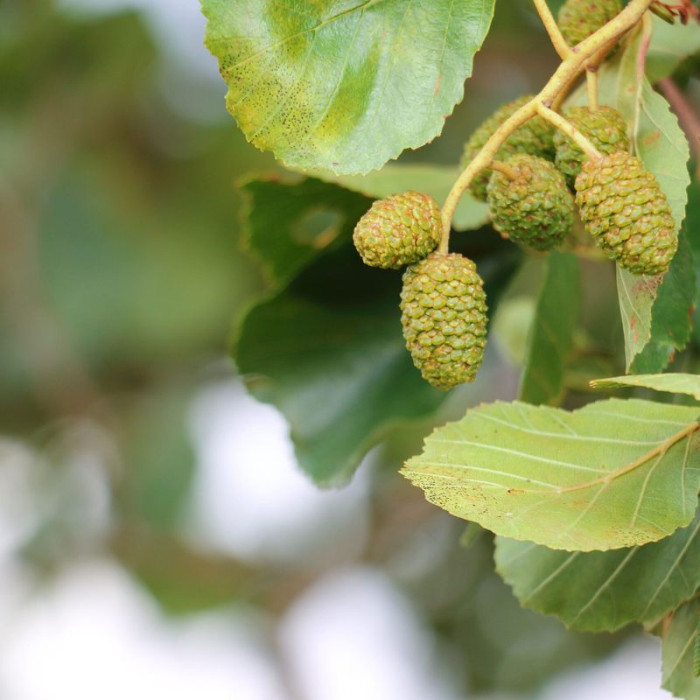
The plant bears fruit every year in the form of reverse egg-shaped nuts with membranous wings. The fruits mature inside small woody cones.
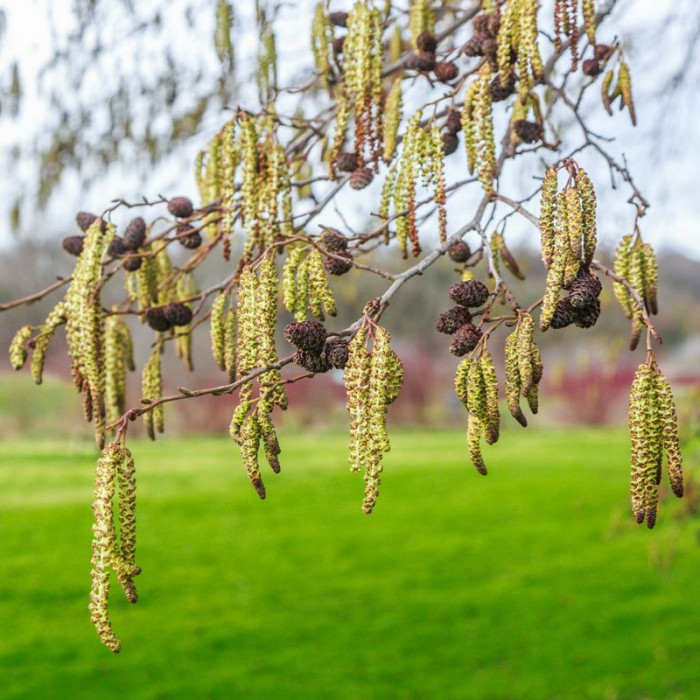
Annual growth is approximately 30–50 cm. Yellowish-brown male catkins appear in late winter or early spring before the leaves emerge, while oval fruits develop during summer.
Gray alder grows best in river valleys on moist, fertile soils. It prefers full sun to partial shade. It is extremely hardy and suitable for USDA Hardiness Zone 2a.
Landscape use:
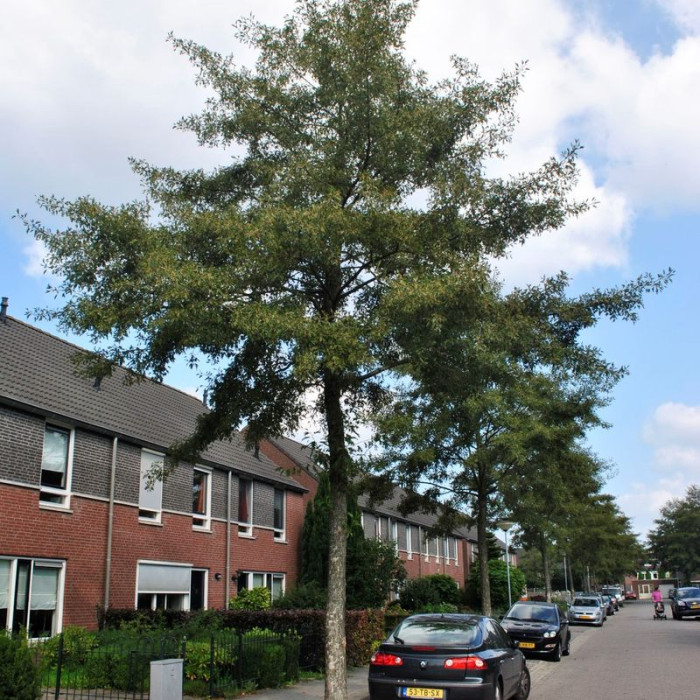
Gray alder is suitable for avenue plantings, hedges, shelterbelts, and woodland plantings. It tolerates air pollution well and is sometimes planted on reclaimed waste sites as a soil-improving species and as a pioneer tree for future forest establishment. It is also valued for its timber and medicinal properties.
Planting and care
Choose a suitable planting site. Gray alder is one of the least demanding ornamental trees and can grow even in shade without losing its decorative appearance. However, for the healthiest and most attractive growth, plant it in a well-lit location.
Mix the planting soil with a fertile soil mixture. It is also recommended to add one cup of hydrated lime to each planting hole.
One year after planting, feed the tree with a balanced mineral fertilizer.
The key to successful cultivation is timely and regular watering of young plants.
Gray alder is one of the easiest trees to care for. The most important maintenance practice is abundant watering during hot and dry periods. Fertilization is rarely necessary, as alder naturally enriches the soil with nitrogen through its root nodules.
After watering, loosen the soil to prevent compaction. Keep the area around the trunk mulched with peat, wood chips, or grass. The recommended mulch layer is about 5 cm thick.
When growing gray alder, remove root suckers promptly, as they can spread and become invasive in the surrounding area.
No questions about this product, be the first and ask your question.