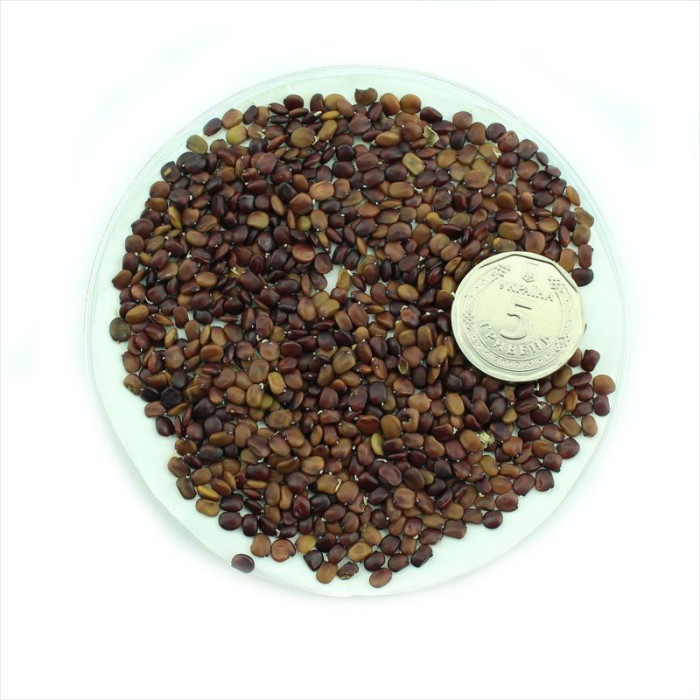
Scotch broom seeds
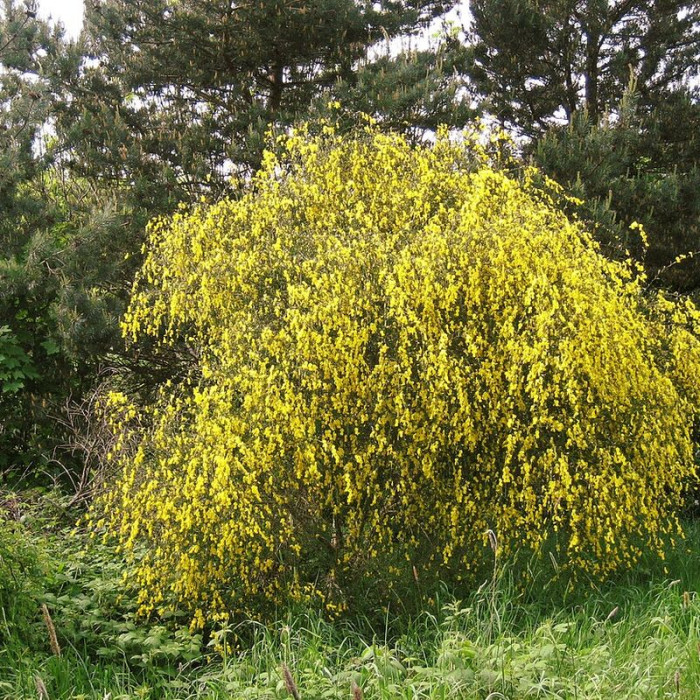
Scotch broom, common broom, or broom / Cytisus scoparius - is a deciduous shrub reaching 2–3 m in height with a dense, usually rounded crown and slender green shoots that remain decorative even after the leaves have fallen. The leaves are alternate, small, and mostly trifoliate, often becoming reduced to a single leaflet near the tips of the shoots.
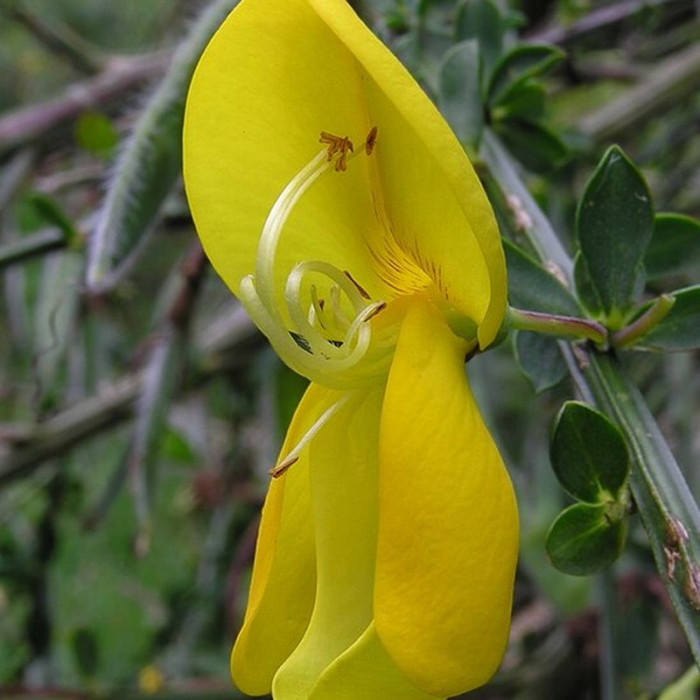
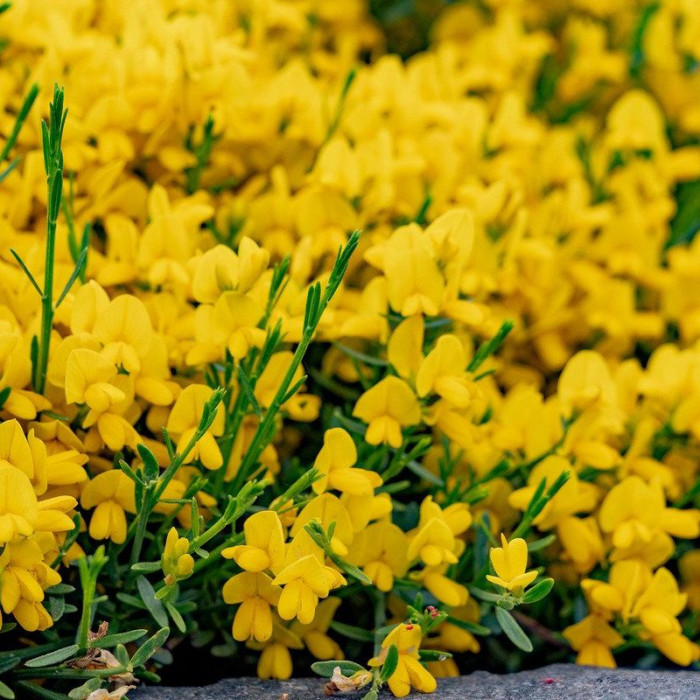
In spring and early summer, the shrub is covered with numerous pale yellow, pea-like flowers about 2 cm long, borne singly or in pairs in the leaf axils. The fruit is a narrow, flattened pod containing several seeds. The plant grows rapidly when young, requires minimal maintenance, and can remain healthy and attractive in the same location for many years. Flowering usually occurs in May–June and lasts for several weeks under full sun.
Scotch broom is widely used as an ornamental shrub for sunny flower beds, rock gardens, mixed borders, dry slopes, and embankments. Thanks to its extensive root system and tolerance of poor sandy soils, it is excellent for stabilizing slopes and roadsides. As a member of the legume family, it fixes atmospheric nitrogen, gradually improving soil structure and fertility.
Its abundant flowering makes it an excellent nectar plant for attracting bees and other pollinators. The shrub is suitable for specimen plantings, group plantings, low hedges, and naturalistic or minimalist gardens where reliable ornamental value with minimal maintenance is desired. The plant is not considered edible for humans, and all parts should be regarded as non-food.
Hardiness: USDA Zones 5–8 (approximately −29 °C to −7 °C).
Cultivation
Scotch broom performs best in fully exposed, sunny locations where it receives direct sunlight for most of the day. Full sun promotes a compact habit and the most abundant flowering. The shrub will tolerate partial shade, but flowering and overall ornamental value will be reduced. It prefers light, well-drained sandy or sandy loam soils with relatively low fertility.
Ordinary garden soil with a pH of approximately 6.0–7.5 is suitable, provided waterlogging is avoided. On heavy or poorly drained soils, drainage, raised beds, or the addition of coarse sand and soil-loosening materials is recommended. During the establishment period, young plants should be watered every 1–2 weeks in dry weather, allowing moisture to penetrate the root zone.
Once established, Scotch broom becomes highly drought tolerant and requires watering only during prolonged periods of drought. Fertilization should be moderate. As a leguminous plant, it forms a symbiotic relationship with nitrogen-fixing bacteria and generally supplies much of its own nitrogen, making heavy fertilization unnecessary.
If needed, a small amount of balanced fertilizer may be applied in early spring, avoiding excessive nitrogen to maintain the balance between vegetative growth and flowering. The shrub is tolerant of urban conditions, wind exposure, and dry air, provided the soil remains well drained. Self-seeding is often abundant, as mature pods split open and disperse seeds around the parent plant.
Unwanted seedlings can be easily controlled by removing them as they appear. Pruning is an essential part of maintenance. Immediately after flowering, shorten the shoots back to young wood to maintain a dense crown and control plant size. This reduces the risk of older branches becoming weak or sprawling, encourages vigorous new growth, and keeps the shrub evenly rejuvenated.
Scotch broom is suitable for planting in gardens and parks as a specimen, in groups, in borders, or on rock gardens. Early-flowering branches are also valued for forcing indoors. When grown in containers, the plant can be trained either as a dense shrub or as a standard (tree-form) specimen.
No questions about this product, be the first and ask your question.