


Large leaves, long vines, and plenty of flowers on cucumber plants do not guarantee a rich harvest. Not every flower turns into a fruit: some, unfortunately, fall off without ever becoming crisp green cucumbers.
Let's find out why this happens and whether we can restore the plants' ability to bear fruit.
Variety characteristics
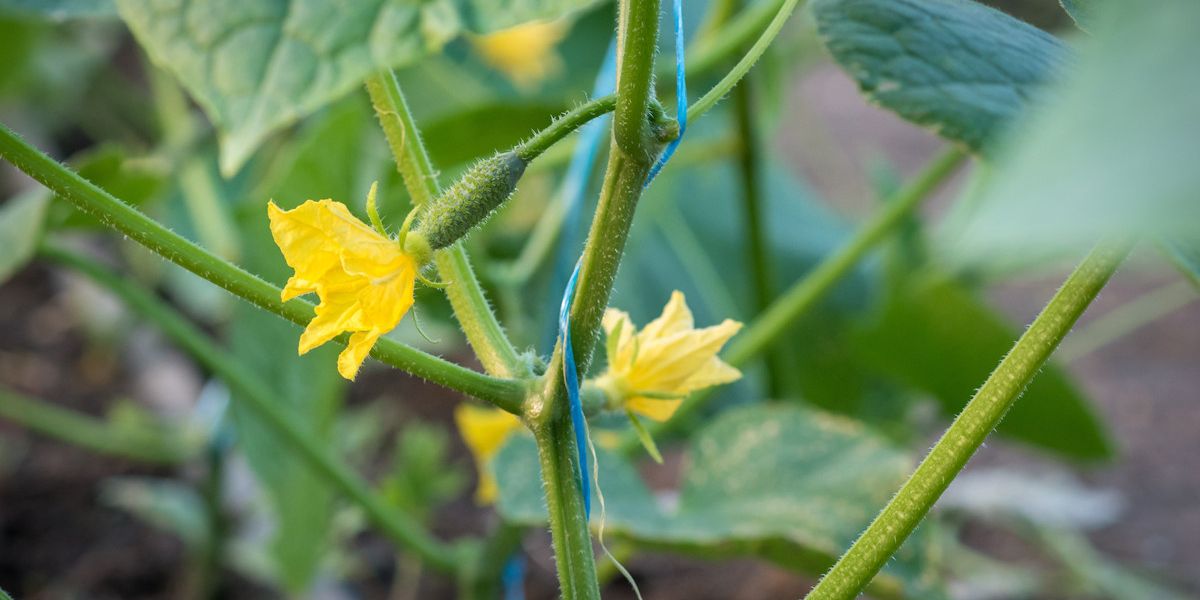
First, let's understand how cucumber plants develop. Each plant produces both male and female flowers. Male flowers serve only to produce pollen—they do not form fruits. Cucumbers develop exclusively from female flowers, which are easy to recognize by the tiny cucumber at the base.
Modern cucumbers are divided into two major groups: parthenocarpic (self-fruiting) hybrids and bee-pollinated varieties. The former can produce fruits without pollination. Bee-pollinated varieties, on the other hand, absolutely require pollinating insects.
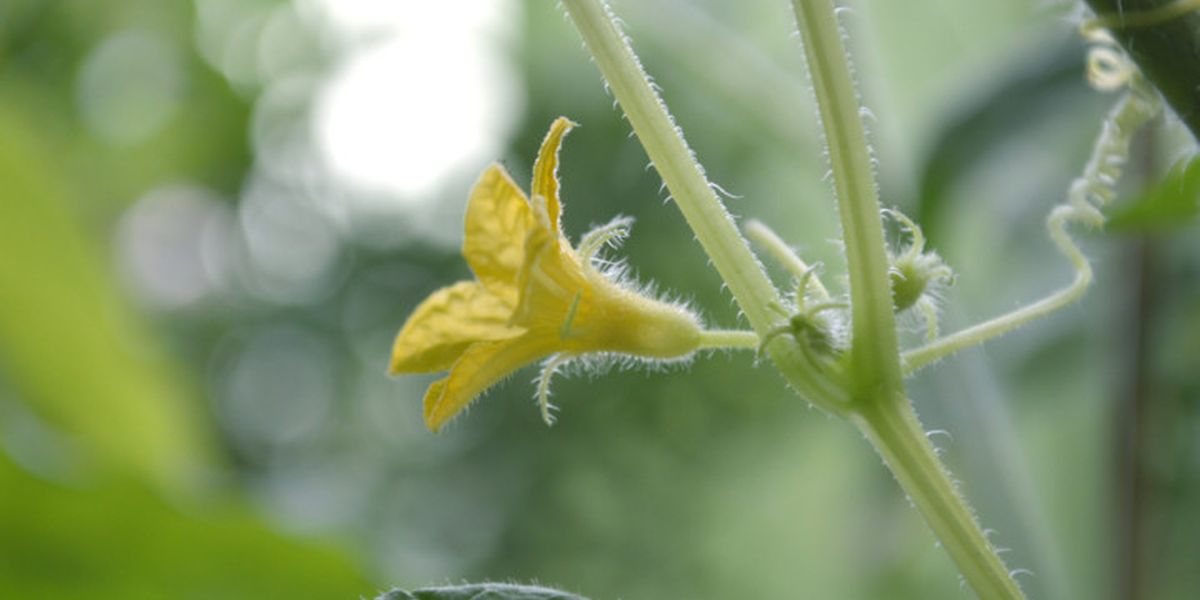
The first thing to pay attention to when there are no fruit sets is which group your cucumbers belong to. If you planted ordinary bee-pollinated varieties in a closed greenhouse, the lack of fruit set is quite natural, as bees and bumblebees are reluctant to fly into hot, stuffy greenhouses. In this case, the female flowers simply dry up without being pollinated.
Self-fruiting hybrids have a different problem—the dropping of young ovaries is related to the plant's structure. In this case, too many female flowers are formed in a single node, and the plant simply does not have enough strength to "feed" them all at once. Under such conditions, the plant begins shedding excess ovaries on its own. Here, thinning helps: carefully remove some of the ovaries from each node and blind the lower nodes.
Insufficient light
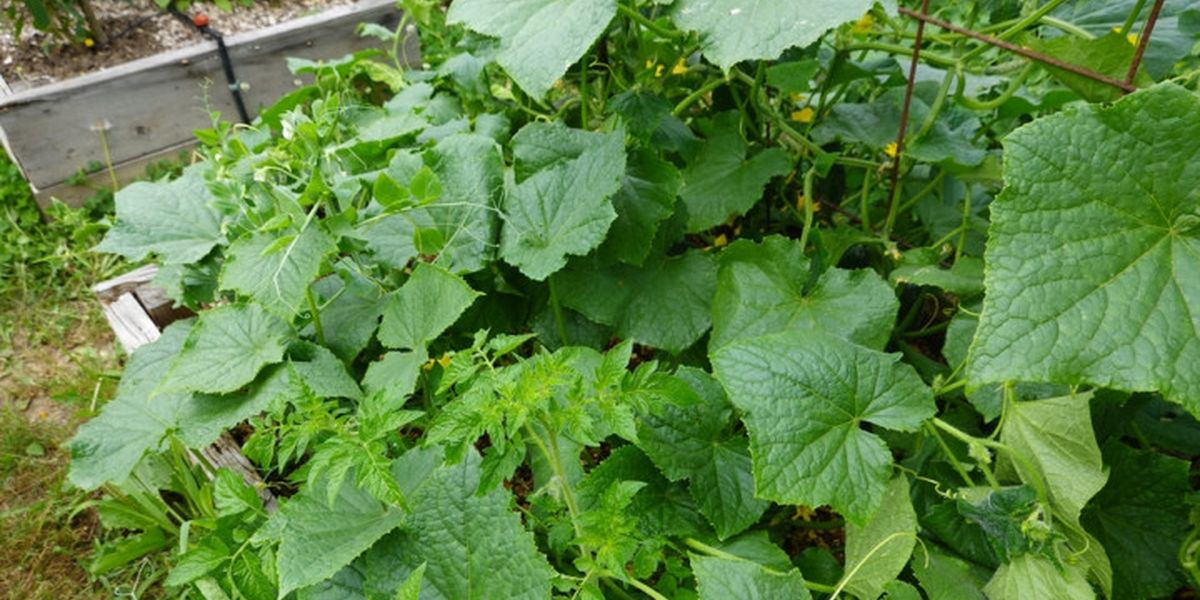
Cucumber is a light-loving crop, although it tolerates slight shading. However, with a severe lack of light, the plant continues to grow leaves and long shoots, while fruit production decreases.
Most often, this happens because of overly dense planting. Trying to save space, gardeners often plant cucumbers too close together. Over time, the vines become intertwined, the leaves overlap, the lower part of the plants ends up in deep shade, and air circulation between the plants becomes poor. Under heavy shading, the lower leaves can no longer fully participate in photosynthesis and become a burden on the plant. Weeds and tall neighboring crops create additional problems.
As a result, poor ventilation increases air humidity, raises the risk of fungal diseases, and forces the plant to spend too many nutrients maintaining excessive green mass. Fruit formation becomes a secondary priority.
The situation can be improved by thinning the planting, removing old and yellowing leaves, and properly training the plants. Remove side shoots by pinching them after the second or third leaf. In greenhouses and outdoors, when growing vertically, tie up the vines in time and direct them upward so that every leaf receives enough sunlight. Good ventilation and sunlight reaching every flower quickly stimulate cucumber formation.
Unsuitable temperature
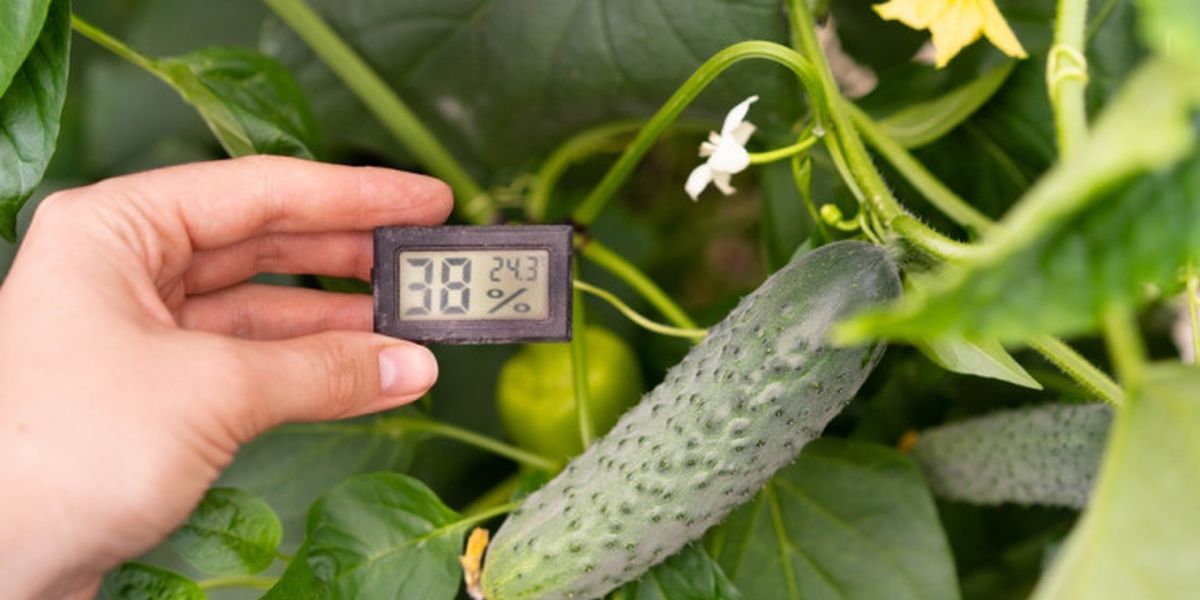
Cucumber is a tropical crop, so its well-being largely depends on temperature. The most favorable conditions are about 22-28°C during the day and no lower than 16-18°C at night.
If the air inside the greenhouse warms above 35°C, the pollen becomes sterile. The plant continues flowering actively, but the flowers fall off without producing fruit, and new ovaries hardly form.
Cold nights are no less dangerous. At temperatures below 12-14°C, all processes inside the plant tissues slow down, the roots function less efficiently and stop absorbing water properly, and ovary development comes to a complete halt. During prolonged cold weather, the plant switches into survival mode and sheds fruits that it cannot support.
How can you help plants during temperature fluctuations? In hot weather, ventilate the greenhouse regularly. It is also useful to shade the roof with a special shading net, light white spunbond, or whitewash. In open ground, light overhead watering in the morning or evening helps lower the temperature around the plants. In case of severe cold, outdoor beds should be covered with dense nonwoven fabric, while watering should be temporarily reduced and done only with warm water.
Watering mistakes
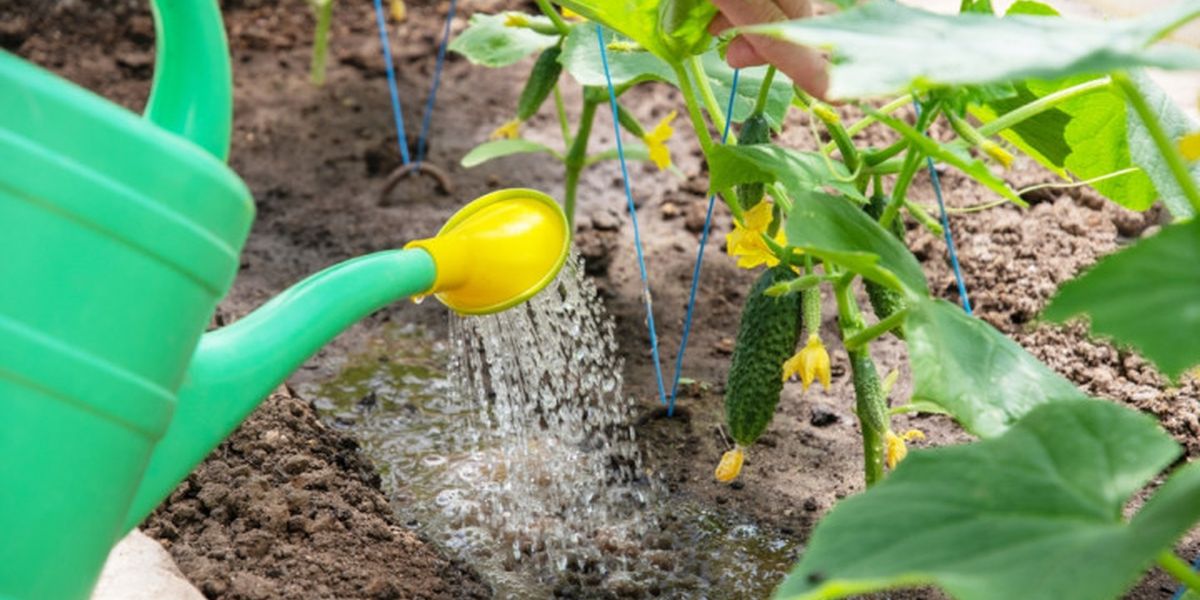
Lack of moisture is one of the most common reasons cucumbers stop producing new fruit. Cucumbers require plenty of water because their large leaves evaporate significant amounts of moisture every day. When the soil dries out, the plant first tries to preserve the fruits it already has, postponing the formation of new ones.
The opposite extreme—overwatering—is equally harmful. In constantly wet soil, the roots lack oxygen, root rot begins to develop, and nutrient uptake deteriorates.
When growing cucumbers, not only the amount of water but also its temperature matters. Watering with cold water directly from a well is highly stressful for this heat-loving crop. Cold water causes the absorbing roots to die off and promotes root rot. After such watering, the plants may stop growing and producing new ovaries for several days.
To avoid these problems, water cucumbers only with settled water warmed by the sun. During the fruiting period, watering should be regular, approximately every two or three days, and daily during extreme heat. Keep the soil consistently moderately moist to a depth of about 20 cm. Mulching the beds with freshly cut grass or straw helps maintain moisture and protects the roots from overheating.
Nutrient imbalance
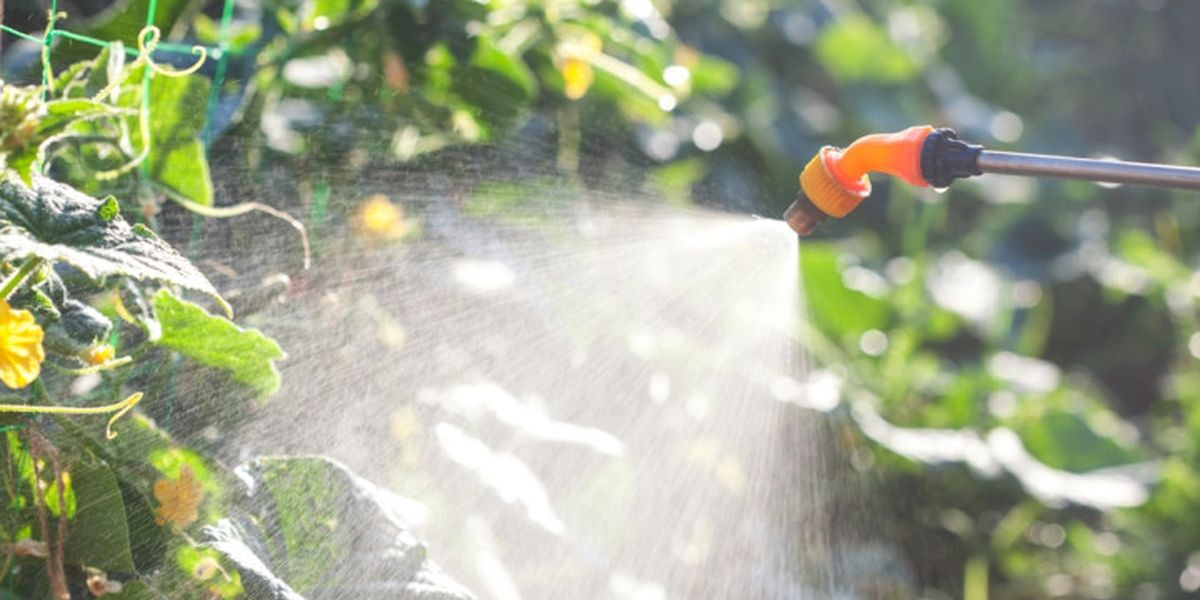
Sometimes cucumbers stop setting fruit not because of a lack of fertilizer, but because of an excess. The most common mistake is applying too much nitrogen fertilizer. Trying to grow vigorous plants, gardeners generously feed cucumbers with mullein infusion, poultry manure, or urea solution. In response, the cucumber begins to "fatten": it develops huge dark green leaves, thick stems, and vigorous vines, while completely "forgetting" about reproduction. Such plants produce mainly male flowers, while the few female ovaries quickly turn yellow and die.
For fruit formation, cucumbers need not nitrogen but rather potassium and phosphorus, which are responsible for fruit development. If you notice signs of excessive vegetative growth, immediately stop all nitrogen fertilization. Thoroughly water the bed with plenty of clean water to partially wash excess nitrogen out of the upper soil layer.
After that, feed the plants with potassium sulfate (15-20 g per 10 L of water), superphosphate (dissolve 30 g in hot water and make up to 10 L), or monopotassium phosphate (10 g per 10 L of water, 1 L per plant). Such feeding slows nitrogen uptake and accelerates the movement of nutrients from the leaves into the fruits.
You can also use complex fertilizers for cucumbers with a high potassium content.
Do not forget about micronutrients, especially boron. Boron deficiency directly affects flowering quality and fruit set. Spraying the plants with a weak boric acid solution (5 g per 10 L of water) during the budding stage significantly increases the number of female flowers and stimulates rapid fruit set.
Lack of pollination
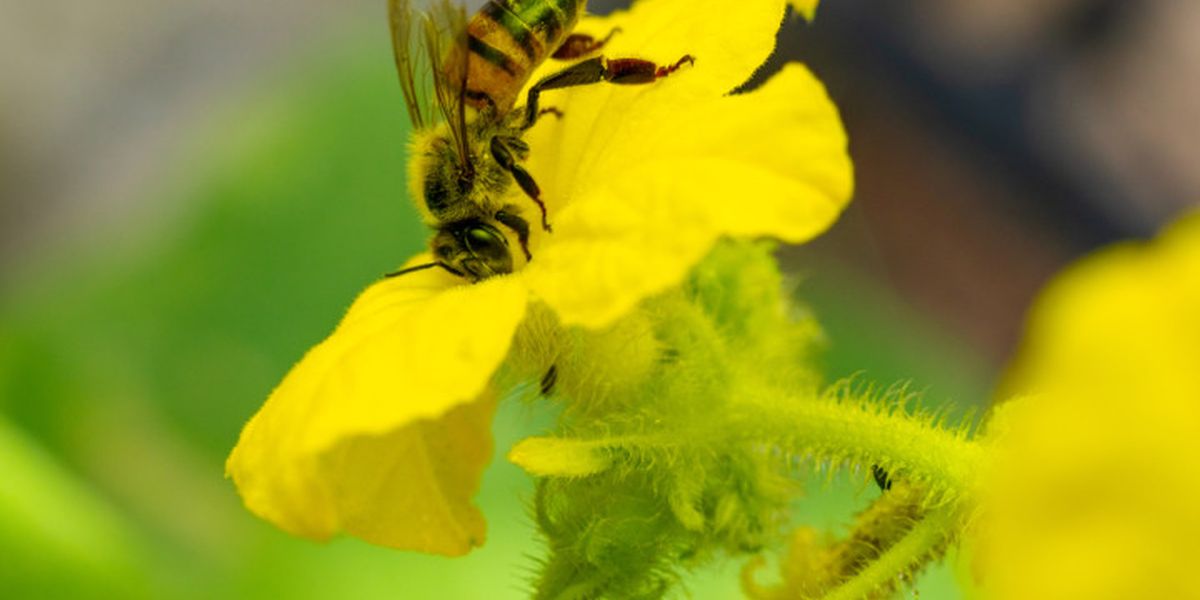
This cause applies only to bee-pollinated varieties. During rainy, cool, windy, or extremely hot weather, bees and other insects become less active. As a result, female flowers remain unpollinated and soon dry up.
If cucumbers are grown in a greenhouse, the problem may be aggravated by the lack of insect access. To allow pollinators to enter freely, keep the doors and vents open during the day. To attract insects, plant nectar-producing flowers near the cucumber beds.
You can also help the plants yourself if pollinators are absent. Carefully pick a male flower (it grows on a simple thin stem), gently remove its petals, and touch its anthers to the pistil of a female flower. It is best to perform this procedure in the morning, between seven and ten o'clock. To avoid spending time on hand pollination in the future, choose hybrids labeled "parthenocarpic" for greenhouse cultivation.
Diseases and pests
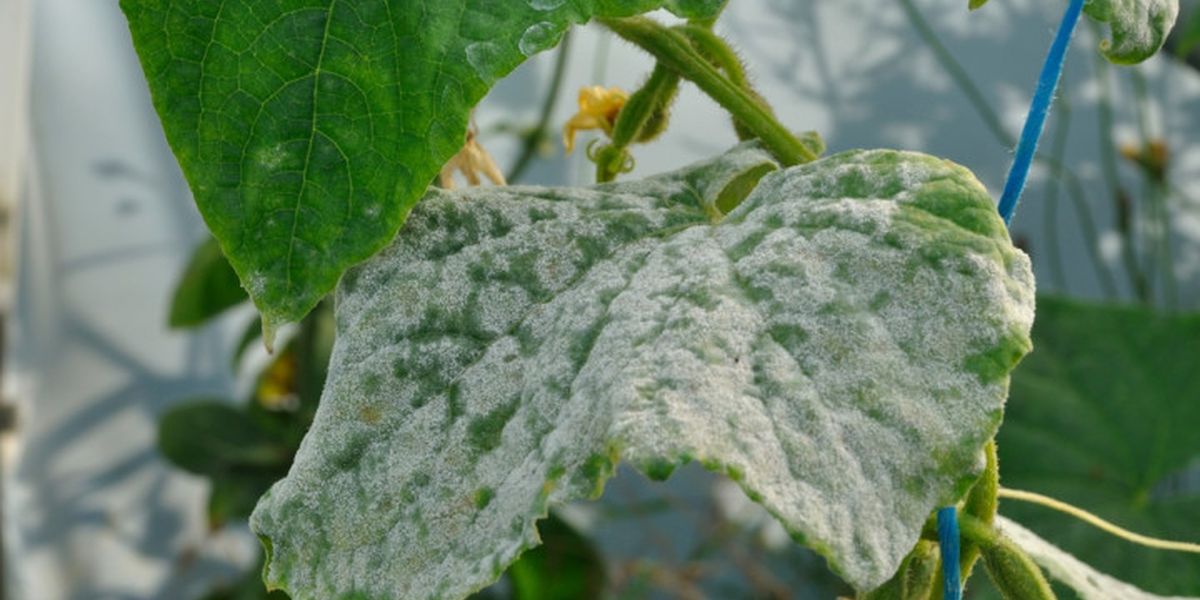
Sometimes the lack of fruit set results from diseases affecting cucumber plants. Powdery mildew, downy mildew, root rot, and other infections weaken the plant to the point where it can no longer support proper fruit production.
Pests are no less dangerous. Cucumbers are especially often attacked by aphids, spider mites, and whiteflies. These insects suck sap from the leaves, disrupt metabolism, and gradually weaken the plant.
To detect diseases or pests in time and begin treatment, inspect cucumber vines regularly, paying attention to changes in leaf color, spots, cobwebs, or clusters of insects. The earlier the problem is detected, the easier it is to eliminate and save the harvest.
However, even with perfect care, a cucumber plant cannot bear fruit forever. Over time, the lower part of the stem ages, the leaves become less efficient, and the root system gradually loses activity. As a result, the formation of new fruits noticeably declines.
Regular fertilization, watering, removing old leaves, and timely harvesting of ripe cucumbers help extend the fruiting period to some extent. Some gardeners mound loose, moist soil around the lower part of the stem to stimulate the formation of additional roots. All these measures allow the plant to continue producing fruit actively for a while longer.