


Hydrangea is one of the most beautiful flowering shrubs. However, as with many other garden plants, you can enjoy its spectacular bloom only if certain conditions are met. In particular, hydrangeas need to be fed during the summer.
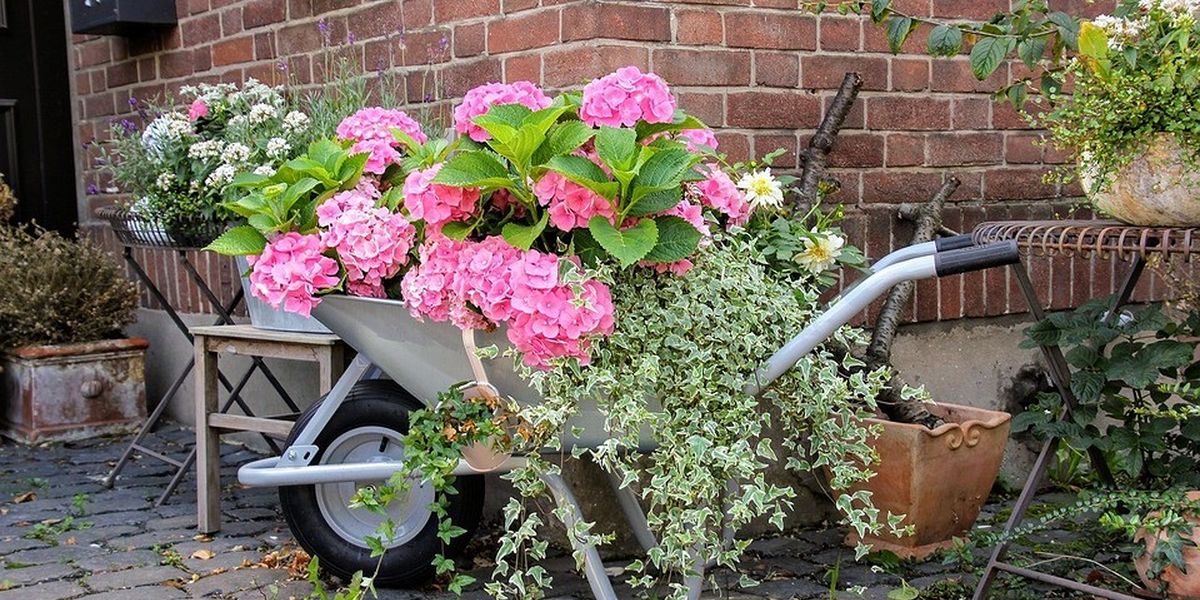
Panicle, tree, bigleaf, and some other types of hydrangeas decorate flower beds, front gardens, and areas along fences. These plants are generally unpretentious and delight with abundant flowering from June until the first frosts, depending on the species and variety.
In the first years, hydrangeas usually do not produce large flower clusters. The bushes need time to gain strength and grow. Abundant flowering usually begins from the 4th-5th year.
With proper care, hydrangeas can bloom luxuriantly every year for 20 years or more. Our task is to help them do so and maintain the health of the plants so that abundant flowering does not exhaust the bushes. Regular summer fertilization plays the key role here.
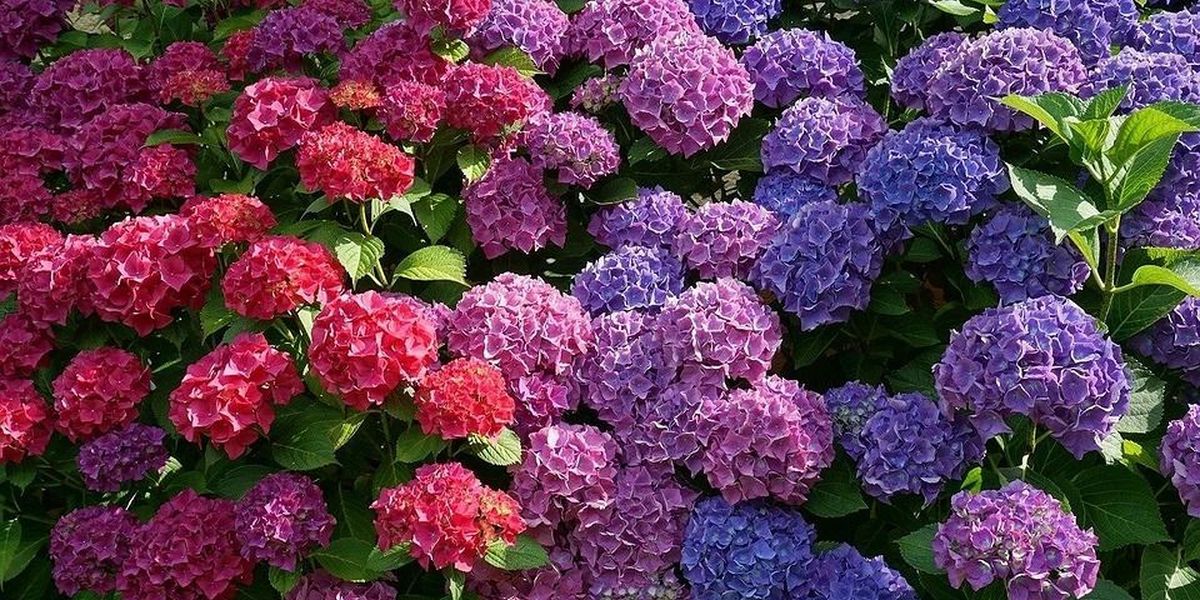
Summer feeding affects the size and number of future flower clusters, the intensity of their color, and the duration of flowering. Moreover, with properly selected fertilizers, you can even influence the shade of the petals by changing their color (this is only possible for bigleaf hydrangeas).
The size and color of hydrangea flower clusters can also be influenced by the age of the bush, light exposure, regular pruning and watering, as well as the presence of pests and diseases. Keep in mind that hydrangeas are very moisture-loving, so without proper watering of the root zone, abundant flowering will not occur even if high-quality fertilizers are applied. Hydrangeas also prefer acidic soils.
What nutrients do hydrangeas need in summer
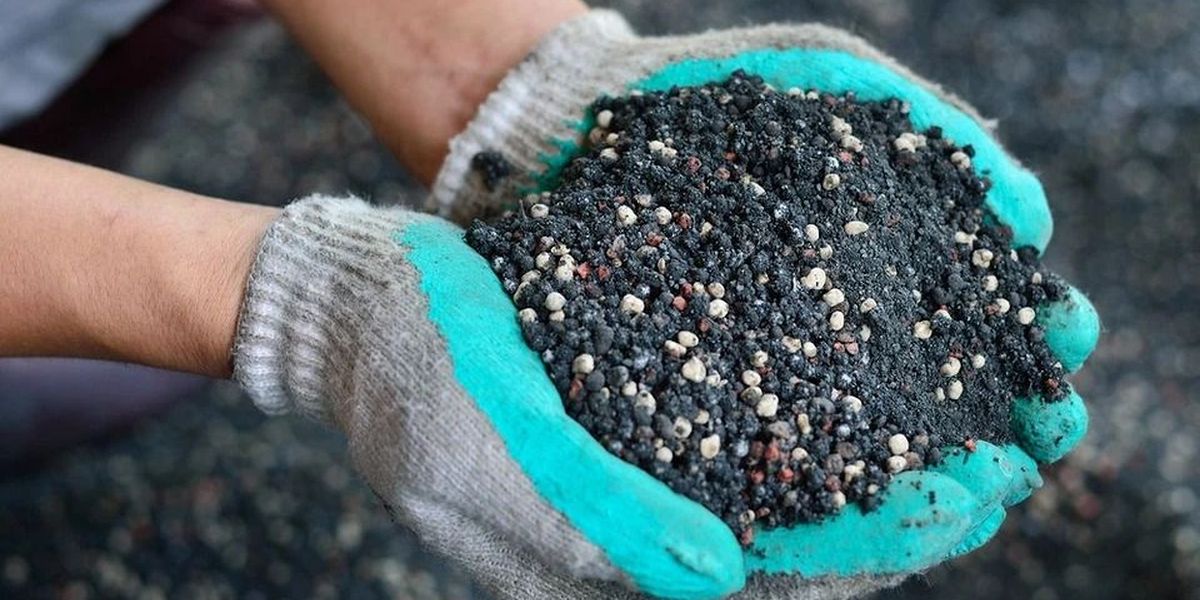
During the summer, hydrangeas are usually fed 2-3 times.
In June, during the budding stage, phosphorus and potassium should be applied. Phosphorus helps develop large, well-formed flower clusters. Without this element, the bush will not be able to open its buds fully, resulting in less abundant flowering. Potassium preserves the rich color of the flower clusters, prevents the flowers from becoming smaller, and prolongs blooming. Dense and lush flower heads are another benefit of this macronutrient.
In July, at the peak of flowering, potassium and phosphorus are applied again, this time with the addition of other macro- and micronutrients. Particular attention should be paid to iron because hydrangeas often suffer from chlorosis in midsummer, when the leaves turn yellow while the veins remain green. It is also useful to apply sulfur, which enhances petal color and, together with other nutrients, helps protect buds and flowers from premature dropping.
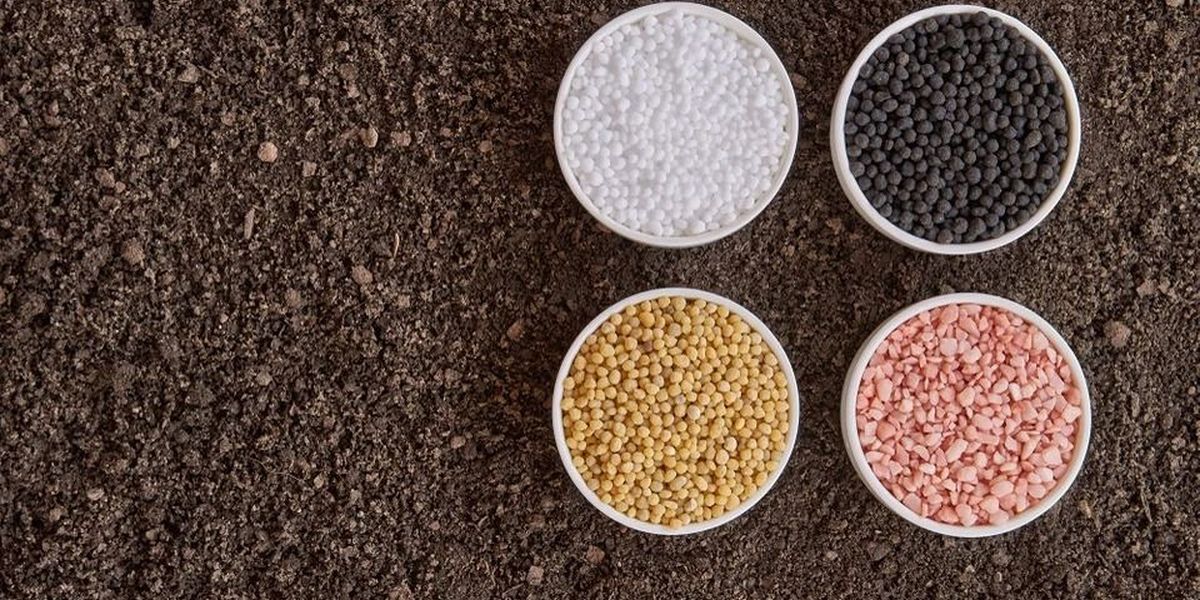
Phosphorus binds aluminum in the soil, making it unavailable to the roots of bigleaf hydrangeas. As a result, instead of blue flowers, the plants produce pink blooms. Therefore, these hydrangeas should be fertilized with products high in potassium and low in phosphorus.
Closer to autumn, a third feeding is carried out to prolong flowering and prepare the bushes for winter. Nutrients, especially potassium and phosphorus, help the green shoots mature and become woody. This later affects flowering quality because bushes damaged by winter cold bloom more weakly.
Let's take a closer look at what can be used to feed hydrangeas in summer.
What to feed hydrangeas in summer for large and vibrant flower clusters
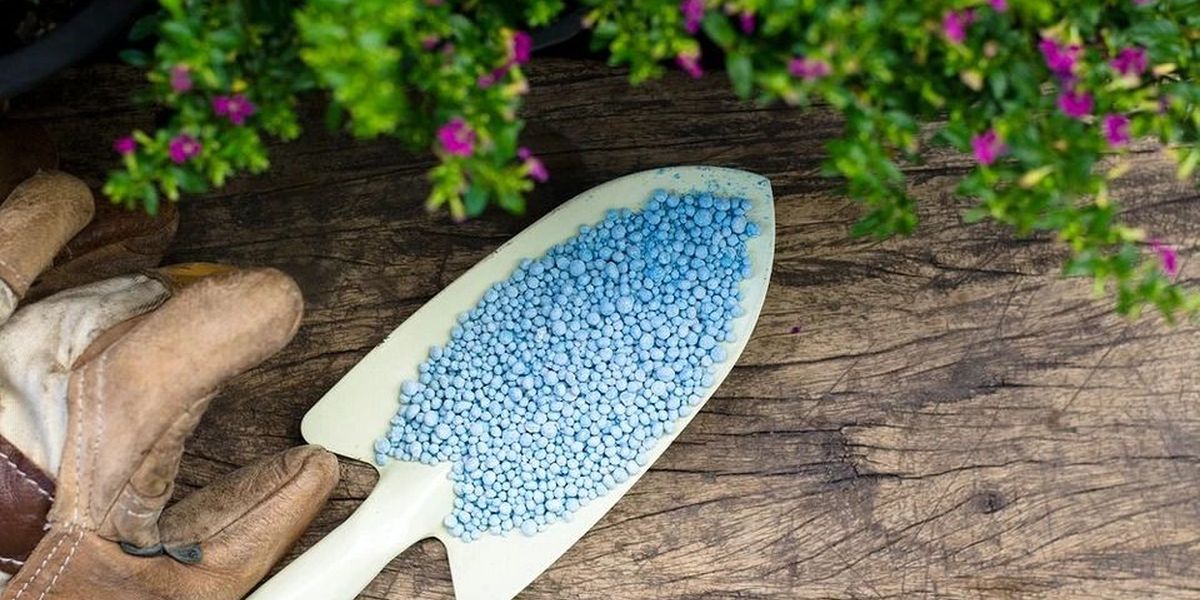
Before applying fertilizers, assess the condition of the plants and the soil, then create a rough feeding schedule to avoid an excess of nutrients. One possible option is as follows.
June – mineral fertilizer applied at the root.
July – organic fertilizer + one week later, spray with iron chelate against chlorosis (10 g per 10 L of water).
August – mineral or organic fertilizer applied at the root.
The interval between feedings should be 2-3 weeks.
Mineral fertilizers for feeding hydrangeas (choose one):
- a mixture of 5-10 g of urea, 30 g of superphosphate, and 20 g of potassium sulfate per 10 L of water;
- potassium monophosphate (10 g per 10 L of water);
- potassium humate (6-8 ml per 10 L of water);
- nitrophoska (20-30 g per 1 sq.m);
- a ready-made water-soluble mineral fertilizer labeled "For Hydrangeas".
It is also beneficial to use products containing amino acids.
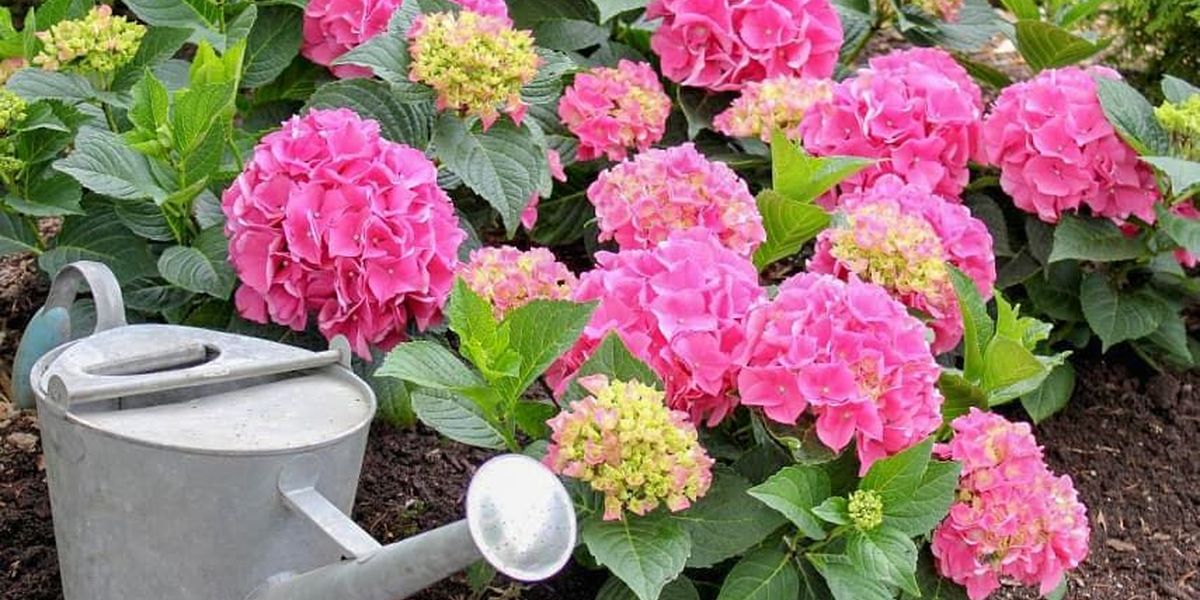
Organic fertilizers for feeding hydrangeas (choose one):
- mullein infusion (1:10);
- poultry manure infusion (1:15);
- weed infusion (especially beneficial are nettle, dandelion, lamb's quarters, and chickweed);
- well-rotted manure, vermicompost, or compost (15-20 kg per bush).
Do not use deacidifying agents (wood ash, dolomite flour, etc.) or any chlorine-containing products to feed hydrangeas. During summer, apply only minimal amounts of nitrogen, as excessive nitrogen suppresses flowering. Hydrangeas also respond poorly to any fresh animal manure, so it must first be fermented and then thoroughly diluted with water.
How to change the color of hydrangea flower clusters
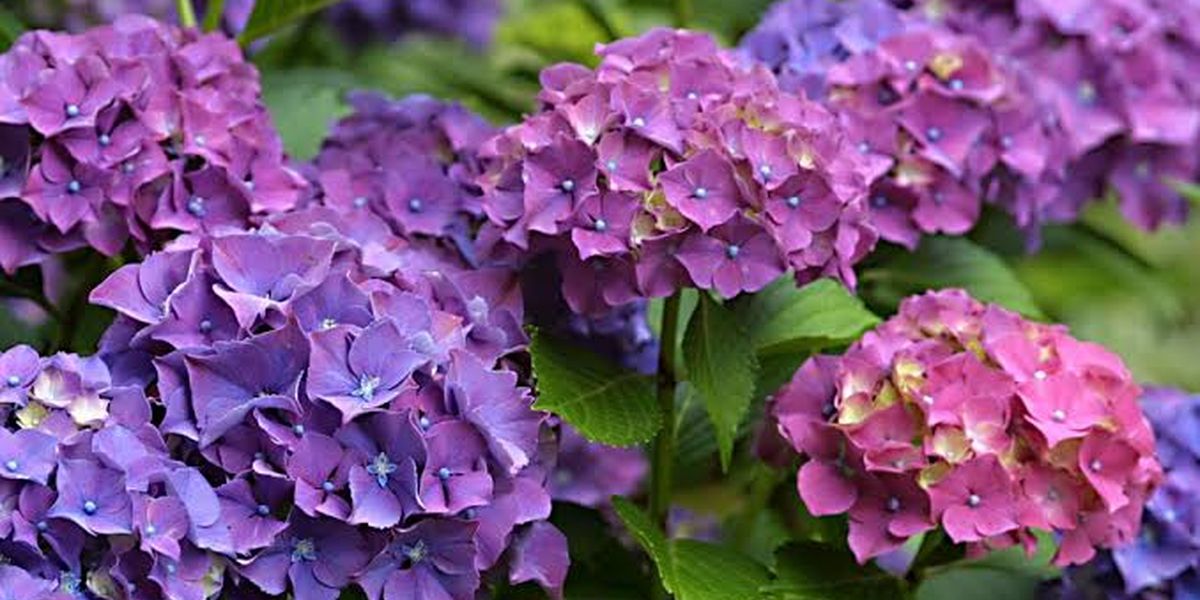
As mentioned above, fertilizers can influence the color of flower clusters in bigleaf hydrangeas. Soil acidity is equally important: acidic soil (pH no higher than 5.0-5.5) produces blue flowers; alkaline soil (pH 6.5-7.0) produces pink flowers; neutral soil (pH 5.5-6.5) results in pinkish or purple flowers.
If you want to experiment a little, measure the soil pH and apply the appropriate materials around the root zone:
- for blue flowers – high-moor peat, pine bark, or citric acid (10-20 g per 10 L of water), aluminum sulfate (15-20 g per 10 L of water);
- for pink flowers – hydrated lime, wood ash, dolomite flour, or another deacidifying agent in an amount sufficient to keep the pH no higher than 6.5; otherwise, the hydrangea may develop chlorosis.
Another option is to purchase a ready-made product designed to change the color of hydrangeas. For plants with naturally blue flower clusters, these products will make the color even more intense.
Cut hydrangeas can also be given a new shade using food coloring. To do this, cut the stems at a sharp angle and place them in water mixed with pink or blue food coloring. After a few days, the petals will gradually begin to change color.
Feeding hydrangeas is not the only factor affecting the size and color of the flower clusters. However, if you want an abundance of large, vibrant flower heads, fertilizers are essential. During summer, focus on potassium and phosphorus applications while remembering to provide iron as well. And if you grow bigleaf hydrangeas, you can even try giving them a completely new look.