


In June, peppers enter the phase of active flowering, which will last approximately until mid-July, depending on the variety and sowing time. At this stage, the plants need proper nutrition so that many healthy ovaries can form later.
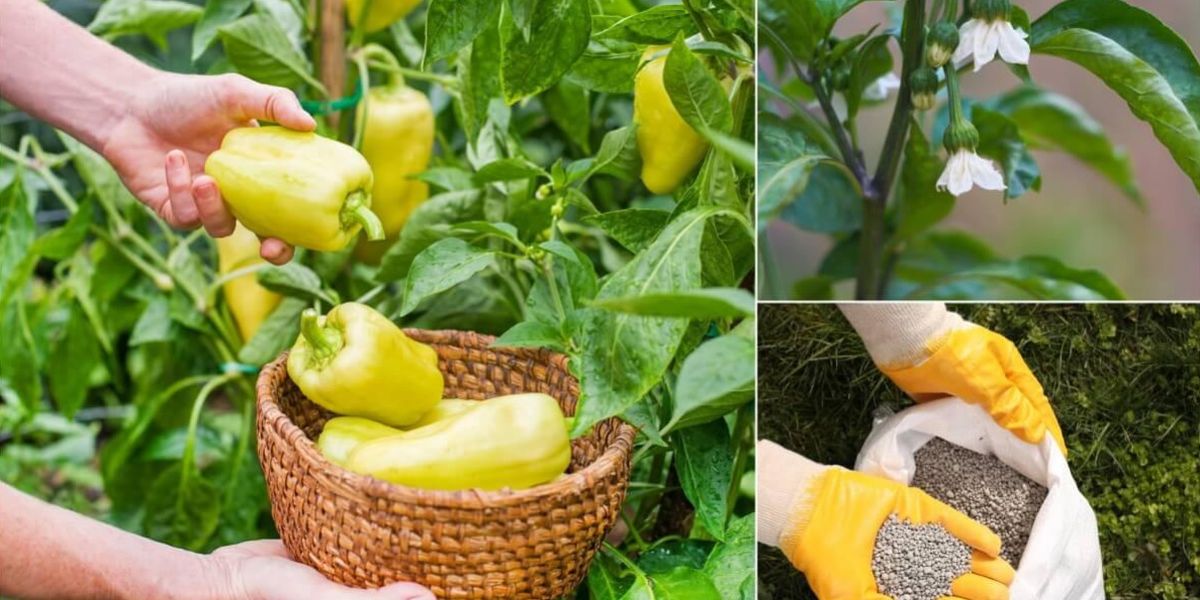
But these are not the only benefits of feeding peppers during this period. Properly selected fertilizers help prevent flower and ovary drop, stimulate the formation of new flowers, and, of course, influence the size and taste of future fruits.
What exactly should peppers be fed with? The main focus should be on supplying the elements required for fruiting. First of all, this is phosphorus, which directly affects budding, flowering, ovary formation, and speeds up fruit ripening. It also promotes root development and strengthens the plant's immunity.
The second important element is potassium, which is responsible for the taste and storage quality of the fruits and helps plants better withstand drought and other stressful conditions.
A good pepper harvest is also impossible without calcium, which prevents ovary drop, reduces the risk of fruit cracking and blossom end rot. During the period of mass flowering, peppers also need boron. It improves flowering, strengthens the ovaries, and prevents excessive flower and ovary drop.
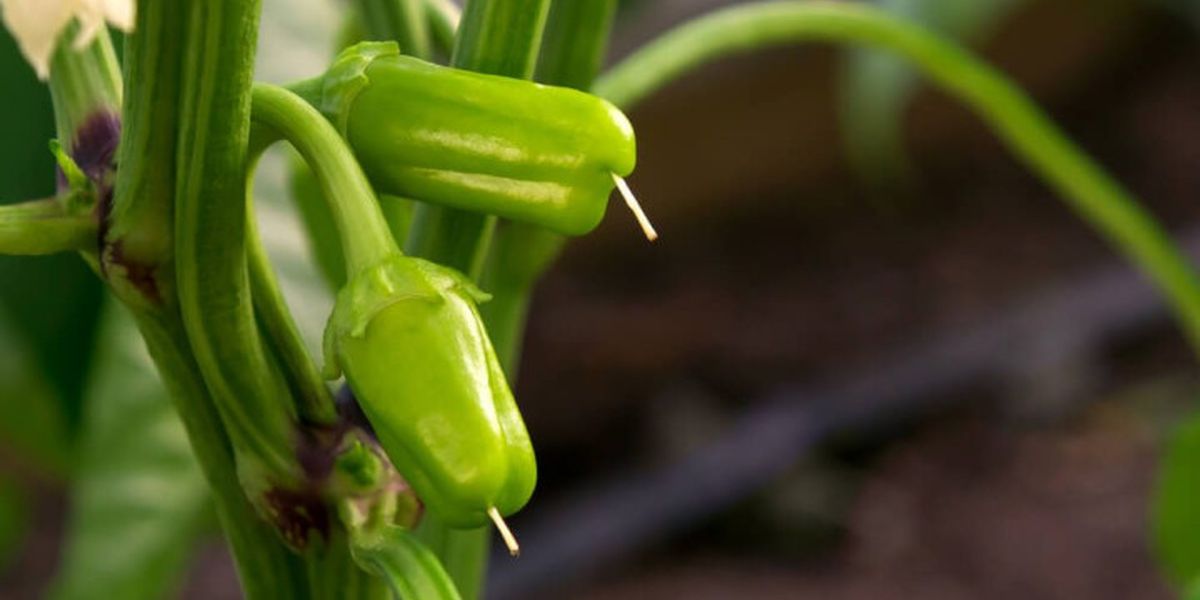
It is considered normal if a pepper plant sheds up to 20% of its flowers and ovaries. This allows the plant to get rid of fruits that it will not be able to develop. If this percentage is exceeded, it is necessary to urgently review the growing conditions and provide proper care.
Nitrogen application should be limited because it promotes excessive vegetative growth at the expense of flowering and weakens plant immunity. However, there is no need to worry if a purchased fertilizer contains some nitrogen along with phosphorus and potassium—it helps the absorption of other nutrients. The main thing is to ensure that its amount is minimal.
Now let's look at the options for feeding peppers during the period of mass flowering.
Pepper fertilization with phosphorus and potassium during the period of mass flowering
There are many sources of phosphorus and potassium for plants. The following options are especially effective:
- 10 g of ammonium nitrate, 25 g of superphosphate, and 20 g of potassium sulfate per 10 L of water;
- monopotassium phosphate (10 g per 10 L of water);
- diammonium phosphate (20–25 g per 1 sq.m during soil loosening).
For foliar feeding and drip irrigation, water-soluble complex fertilizers with a high phosphorus and potassium content can be used.
During the first half of summer, it is advisable to use not only mineral but also organic fertilizers for feeding peppers:
- well-rotted manure diluted with water at a ratio of 1:10;
- vermicompost (1–2 cups per 10 L of water);
- weed infusion diluted with water at a ratio of 1:10;
- wood ash (200 g per 10 L of water);
- bone meal (30–40 g per plant).
The application rate for liquid fertilizers is approximately 1 L per pepper plant.
Pepper fertilization with calcium and boron during the period of mass flowering
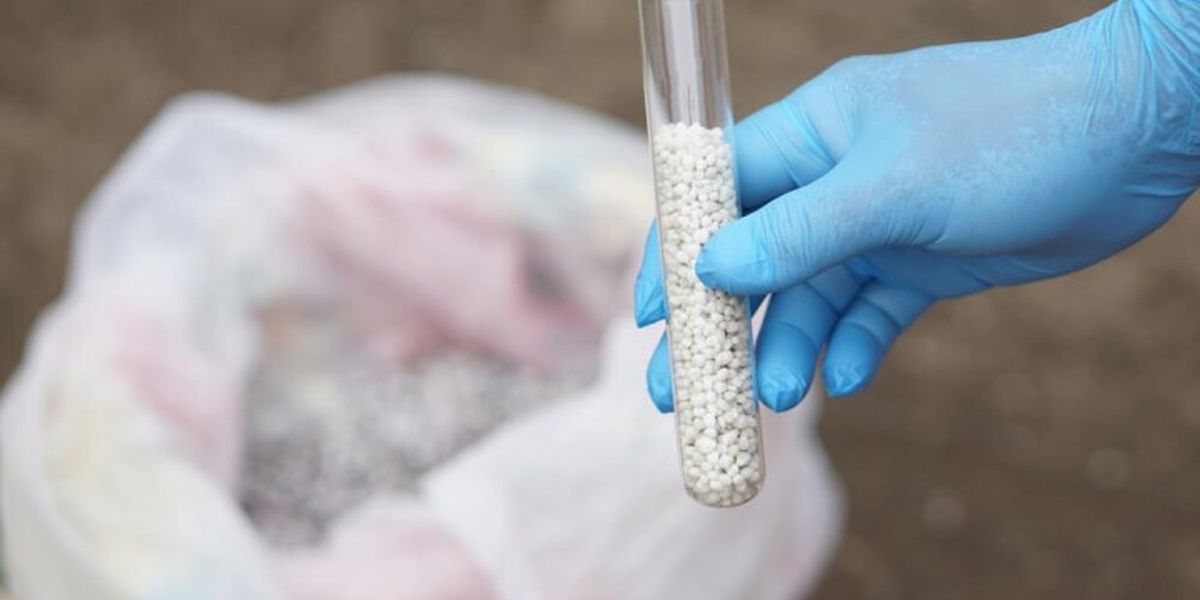
Special attention should be paid to calcium and boron fertilization. These elements are present in small amounts in organic fertilizers and ready-made complex products. However, to ensure that plants definitely receive these nutrients, it is better to use specialized products.
Some proven options include calcium nitrate (10 g per 10 L of water for root feeding, 15 g per 10 L for foliar spraying) or calcium chelate (10 g per 10 L of water).
Boric acid is most commonly used as a boron source—5 g is dissolved in a small amount of water heated to 50–60°C, then cooled and diluted to a final volume of 10 L. The resulting solution is sprayed onto pepper plants.
Boron is toxic to bees, so spraying should only be carried out early in the morning or in the evening on a calm day, while avoiding direct contact of the solution with the flowers.
It has been proven that calcium and boron are better absorbed together, so combined products can also be used.
How to properly fertilize peppers during the period of mass flowering
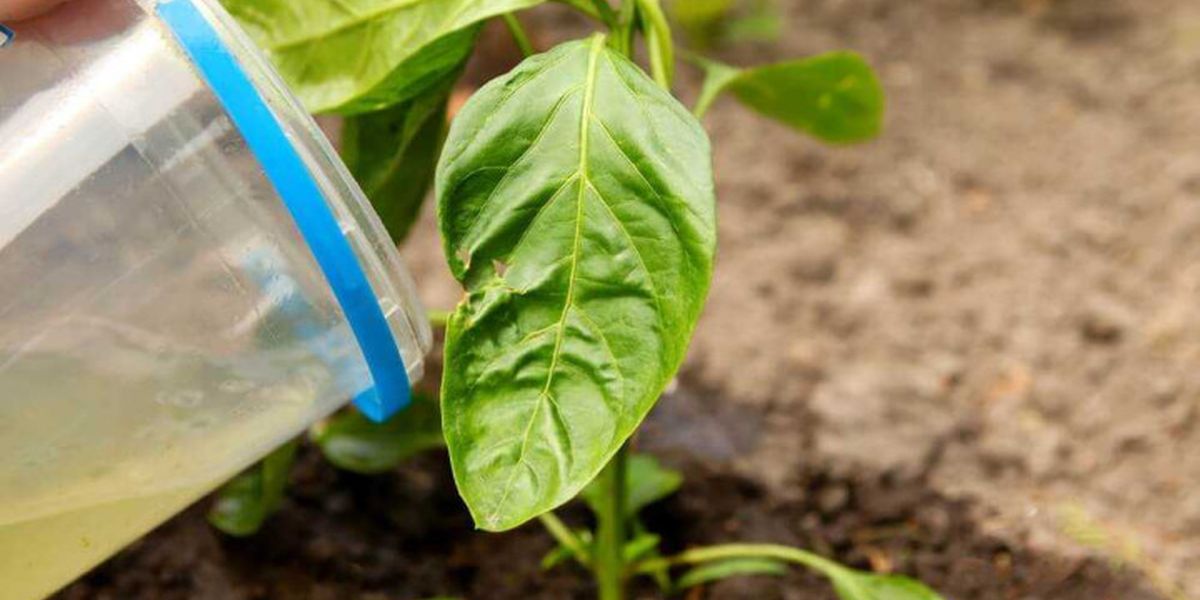
Quite often, beginner gardeners are disappointed with the results after applying fertilizers and begin searching for new or supposedly better products. In reality, the problem is most often incorrect application.
It is not enough simply to add nutrients to the soil. It is also important to create conditions under which plants can absorb and utilize them for further growth and fruit production.
It is worth remembering several simple rules for feeding peppers.
- Peppers are generally fertilized 3–4 times per season. During the flowering period, one feeding or several feedings can be carried out (it is beneficial to alternate root and foliar applications) if different nutrients need to be supplied. For example, apply phosphorus and potassium under the root, while calcium and boron are sprayed onto the leaves. Alternatively, first feed peppers with an ash infusion under the root, and 7–10 days later spray with a mineral fertilizer.
- Ready-made complex mineral fertilizers help reduce the number of applications. They can be used until the end of the season.
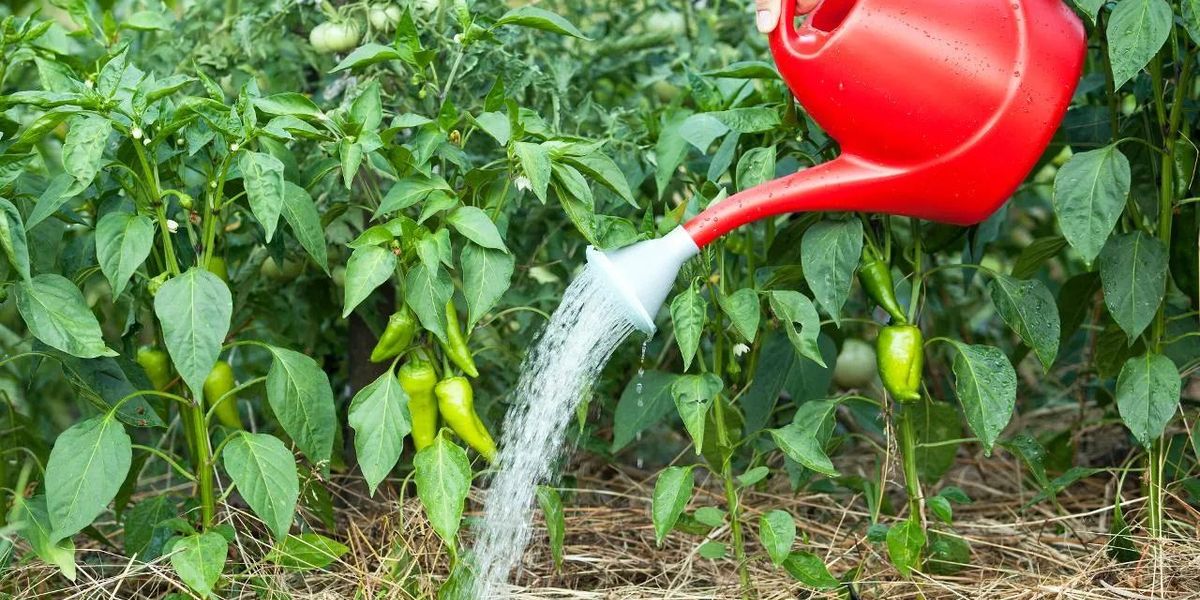
- Root fertilization should always be applied to moist soil (after watering or rain) to avoid burning the roots. Foliar feeding should be carried out when the foliage is dry, preferably in cloudy weather so the solution has time to be absorbed by the leaves. The best time for any fertilization is morning or evening.
- During the period of mass flowering, any spraying should be done carefully to avoid excessive moisture on the flowers and leaves.
- Calcium and potassium in their pure form should preferably be applied at different times because these nutrients are antagonists—an excess of one blocks the absorption of the other. A recommended interval is 1–3 days.
- Wood ash and superphosphate should not be applied at the same time because the latter may convert into a form unavailable to plants. The recommended interval between these fertilizers is 2–3 weeks.
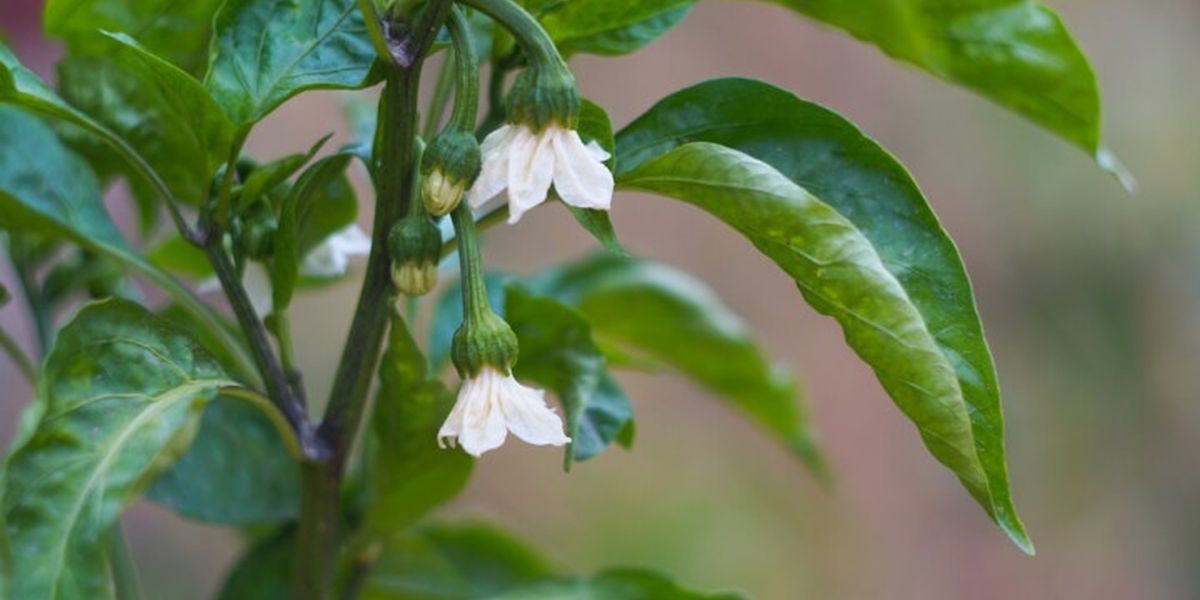
It should be remembered that peppers do not require much nitrogen during the period of mass flowering. Any chlorine-containing fertilizers should also be avoided because this vegetable crop is highly sensitive to chlorine. Excess chlorine causes plants to become weakened, ovaries to drop, and leaves to dry out.
For the same reason, peppers should not be watered with chlorinated tap water. It is better to let the water stand before use or collect rainwater in barrels, as it is softer and more beneficial for plants.
Another thing to avoid is fresh manure, which burns the roots, as well as homemade products based on concentrated ammonia. Wood ash should also be used carefully because it increases soil alkalinity and may reduce the availability of many nutrients.
Most importantly, if the plants look healthy, the soil is fertile, and fertilization was already carried out a couple of weeks ago, there is no need to fertilize again during the period of mass flowering. The application can be postponed until later because an excess of nutrients is no less harmful than a deficiency.
However, if the peppers are producing excessive foliage, have few flowers, or the plants appear weak, it is the right time to feed them.
During the period of mass flowering, peppers also require regular watering with warm water and the removal of old, yellowing leaves. It is also beneficial to carry out preventive spraying against bacterial leaf spot and late blight with Fitosporin-M or another biological fungicide.