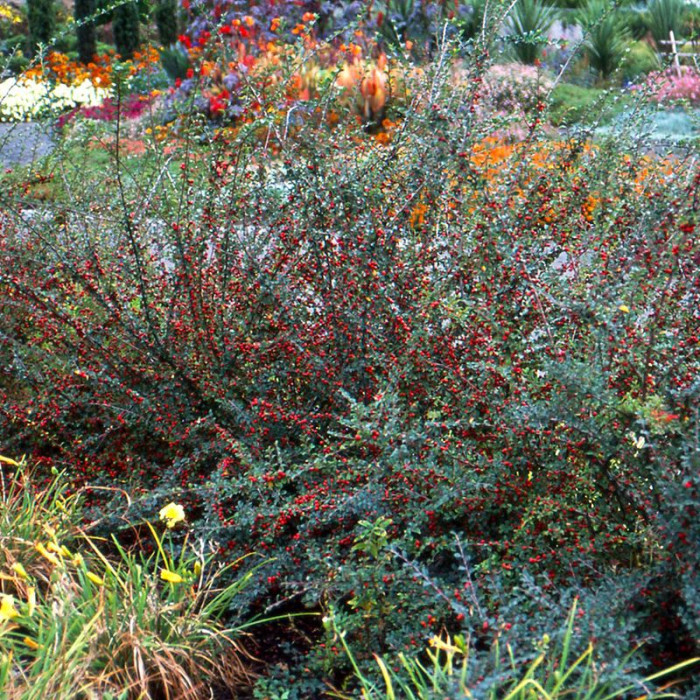
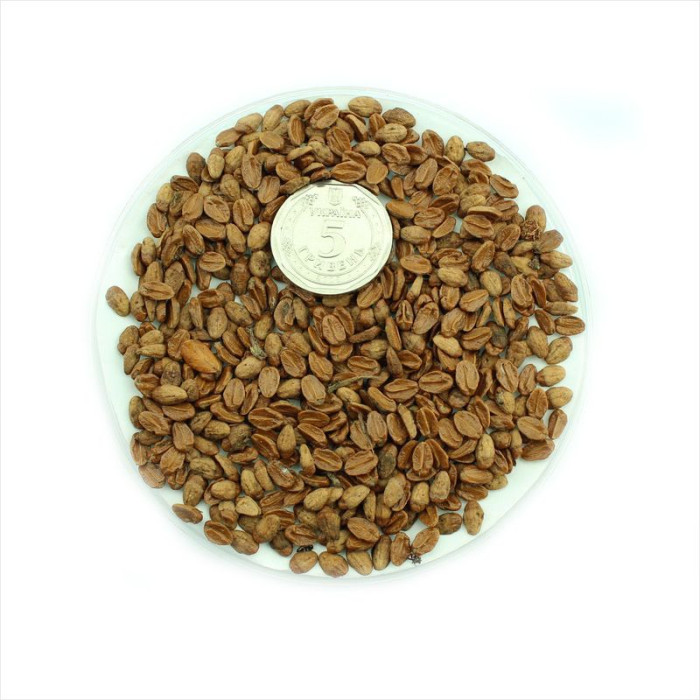
Cotoneaster divaricatus (Spreading Cotoneaster) - this plant grows in the form of a deciduous shrub. The bushes have a spreading crown of medium density. The height of an adult plant can reach 2 meters, while the crown width is about 3 meters. The growth rate is moderate: each year it increases by about 30 cm in height and 20 cm in width. It takes 10–20 years to reach full size.
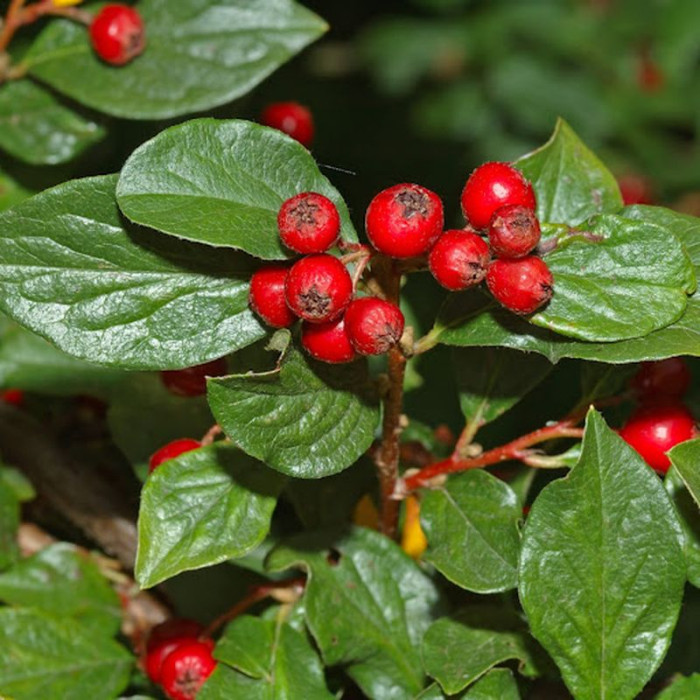
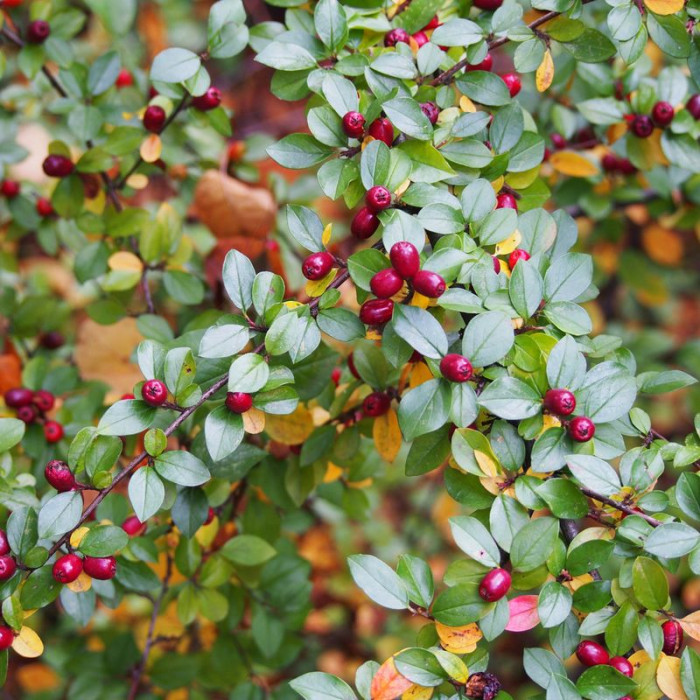
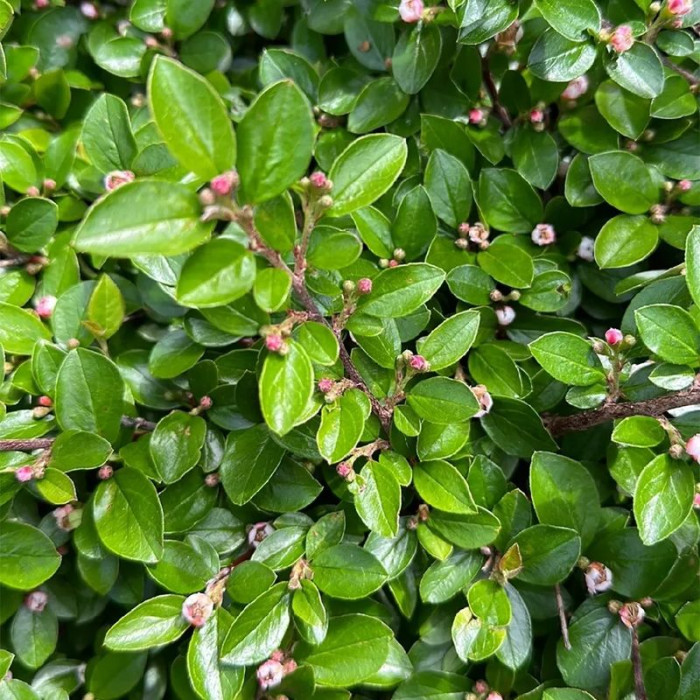
The plant is considered a long-liver - it can actively grow and develop in one place for up to 60 years. Cotoneaster divaricatus blooms with pink, flat, rounded flowers about 0.9 cm in size. The flowering period lasts from the second week of June until the end of the month, remaining on the plant for 15–20 days. Leaves are dark green, turning orange in autumn. Their shape is elliptical, with a lighter green underside. Leaf size ranges from 1 to 2.5 cm. The main decorative value of the plant lies in its leaves and fruits. The species originates from Central and Western China.
Growing Requirements
- Prefers sunny locations, but also grows well in partial shade.
- Not demanding in terms of soil moisture; tolerates different moisture levels.
- Can grow in almost any soil except dry ones.
- Excellent frost resistance; winters well in the climate of Ukraine.
- Requires minimal care, making it widely used in modern landscaping of cities and private plots.
Landscape Design Uses
Spreading cotoneaster is ideal for creating hedges. It is also used in:
- rock gardens,
- alpine slides,
- stone gardens,
- container plantings (balconies, terraces, patios),
- group plantings with deciduous and coniferous species,
- solitary plantings.
Although its flowering is inconspicuous, the plant’s decorative appeal remains high. It becomes especially beautiful when bright red fruits appear, which can remain on the bushes until deep winter. The leaves of proper shape and rich color also add to its ornamental value. In autumn, cotoneaster is particularly striking, as its foliage turns shades of orange and red.
Care for Cotoneaster divaricatus
The plant does not tolerate waterlogging. Water only in hot weather—7–8 buckets per plant every two weeks. After watering, remove weeds and loosen the soil to a depth of 10–15 cm. In general, cotoneaster needs watering less than crown rinsing with water.
Pruning involves removing dry, diseased, and frost-damaged branches. Plants forming hedges should be trimmed at least twice per season.
No questions about this product, be the first and ask your question.