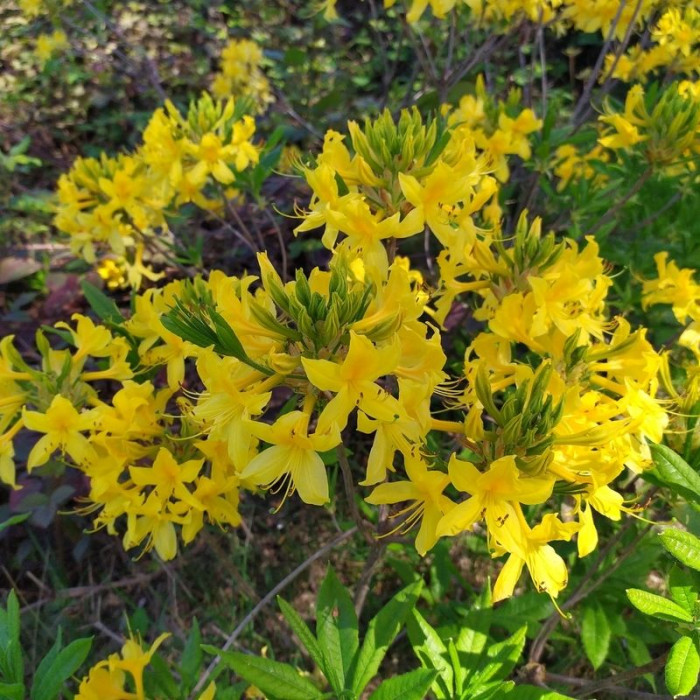
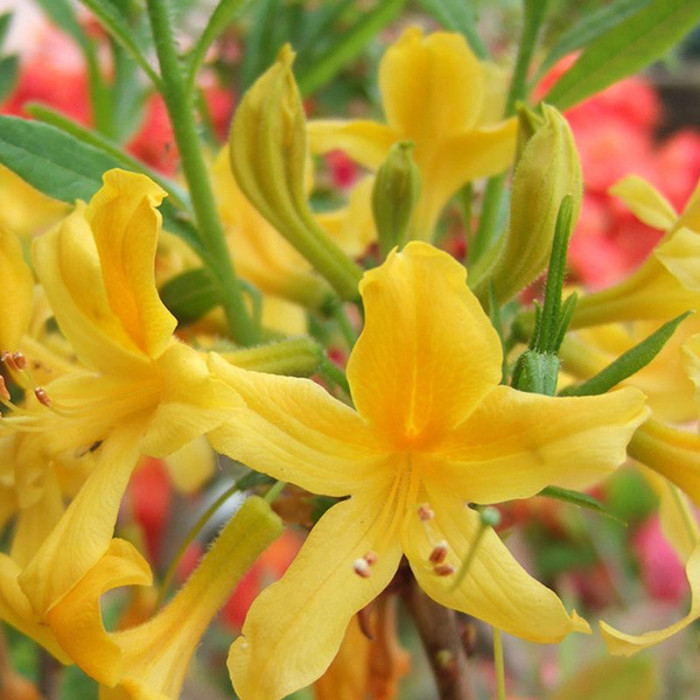
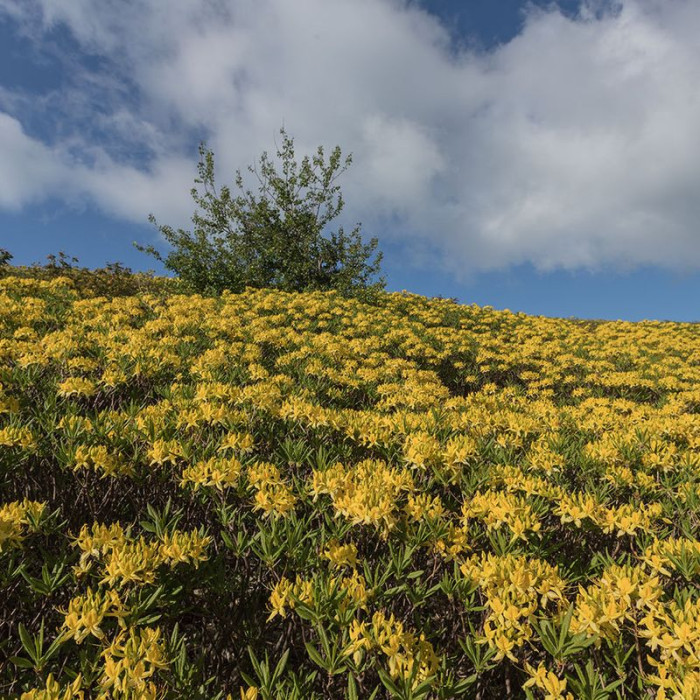
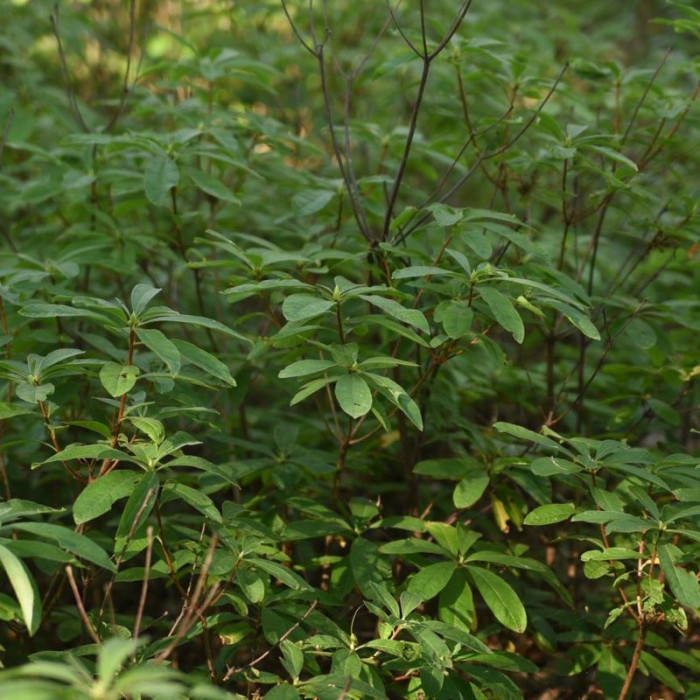
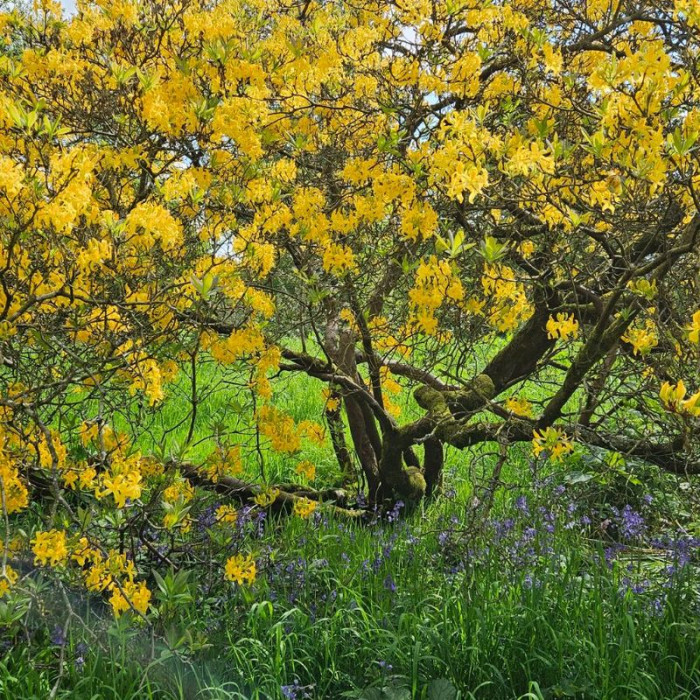
Rhododendron luteum, the yellow azalea or honeysuckle azalea - a relict deciduous species of rhododendron. It grows in the undergrowth of coniferous and mixed forests, on forest glades. Distributed in Polissia, particularly in Rivne and Zhytomyr regions, in the Caucasus, in mountainous areas of Turkey, in Poland. The Yellow Rhododendron is listed in the Red Book of Ukraine.
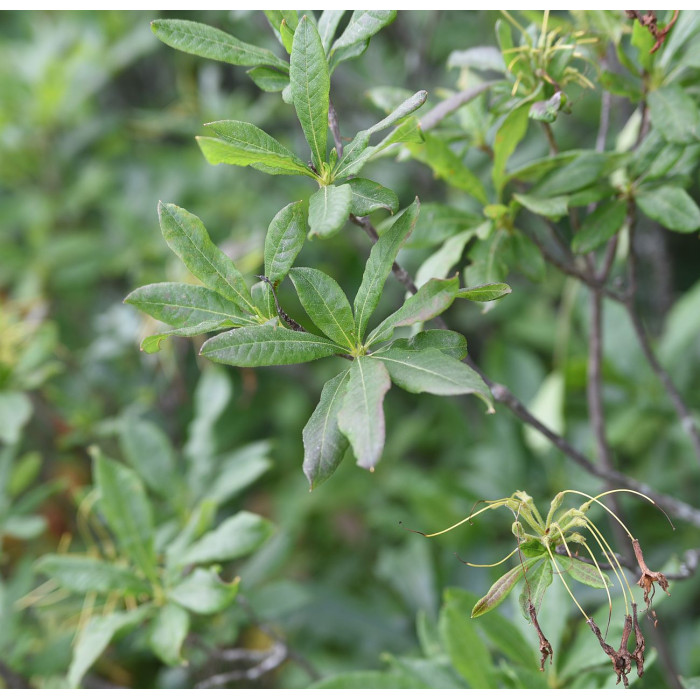
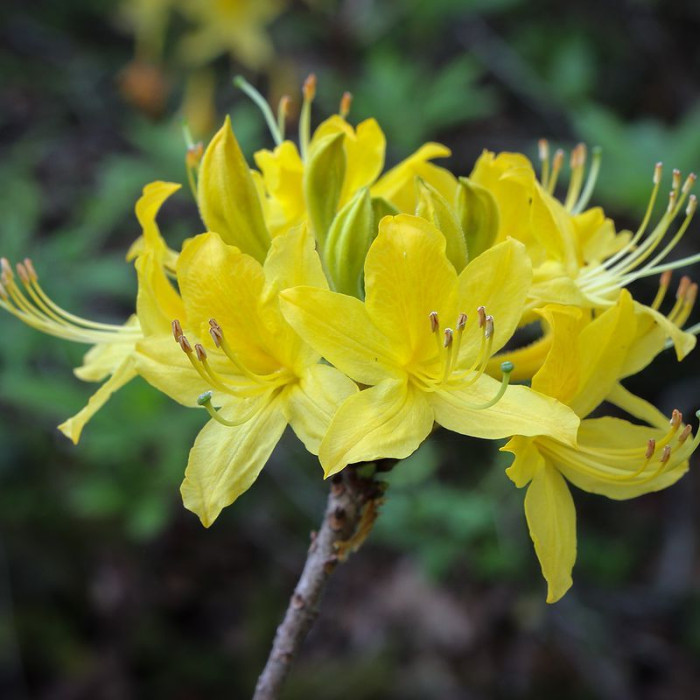
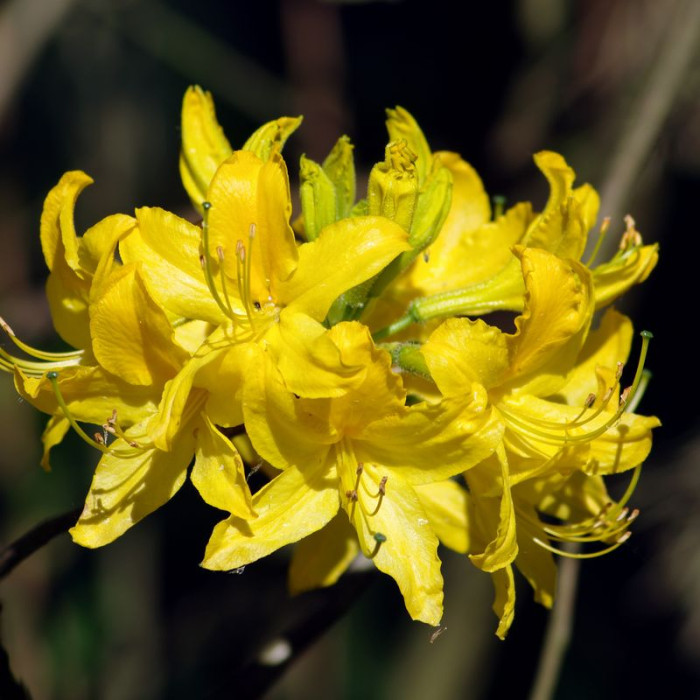
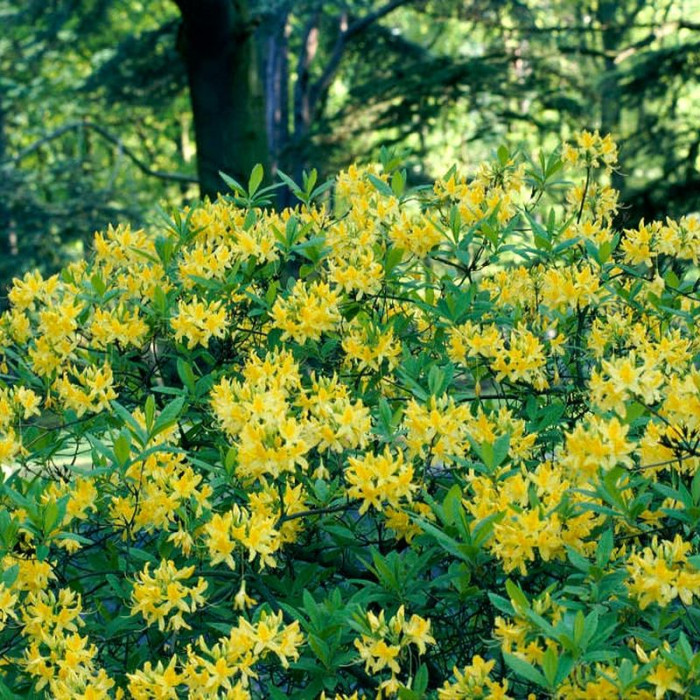
Shrub 1–3 m high and up to 2.5–3 m in diameter. Branches are erect. Young shoots are pubescent, greenish-brown. Leaves alternate, pubescent, elongated-ovate or elongated-lanceolate, pointed, ciliate along the edge, green, sometimes with reddish tips. Flowers are large, yellow, with a strong pleasant fragrance, gathered in umbel-shaped inflorescences of 3–23 pcs. Blooms in May. Root system is thin, superficial.
Used as an ornamental, medicinal, essential oil, insecticidal, and honey plant. As an ornamental plant it is used in solitary and group plantings, in gardens and parks, in flower beds, in landscape compositions, for planting rocky slopes, etc. Petals of the yellow rhododendron are raw material for producing yellow essential oil with the scent of azalea. This oil is widely used in the production of perfumes and soap. Bark, flowers, and leaves are used in folk medicine for treating heart and kidney insufficiency.
Yellow rhododendron requires acidic and moist, sandy-loam or peat soils rich in humus. It has high shade tolerance. Frost resistance is high. Resistance to fungal diseases is high. Drought tolerance is low.
Propagation of rhododendrons by seeds
Composition of substrates. The optimal soil acidity for rhododendrons is pH 4.0–5.5, though soil with pH 5.8 can also be used. Factors determining success of seed propagation under introduction conditions include substrate selection, watering regime, temperature, lighting, and seedling care. The substrate for sowing may vary, but must be loose, acidic, and air-permeable. Fine fibrous roots of rhododendrons are located in the upper humus horizon. Peat is an essential component of soil mixtures for seed germination and seedling growth.
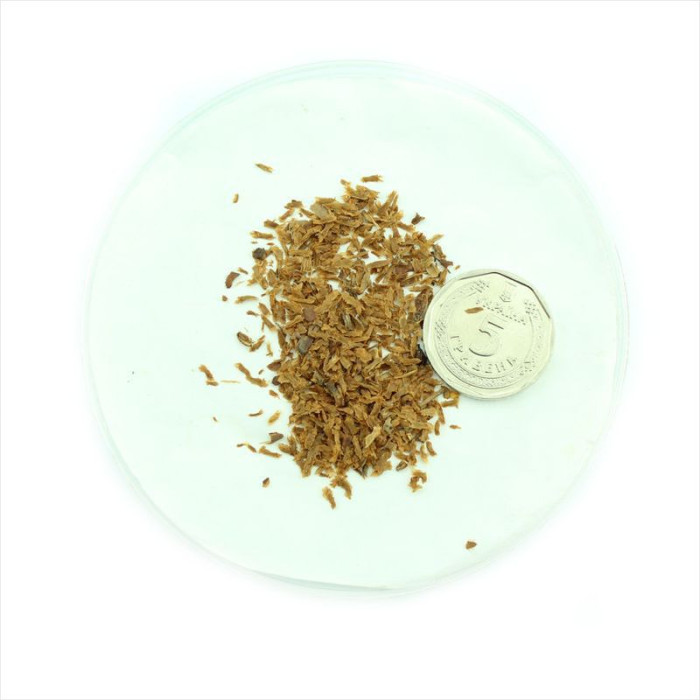
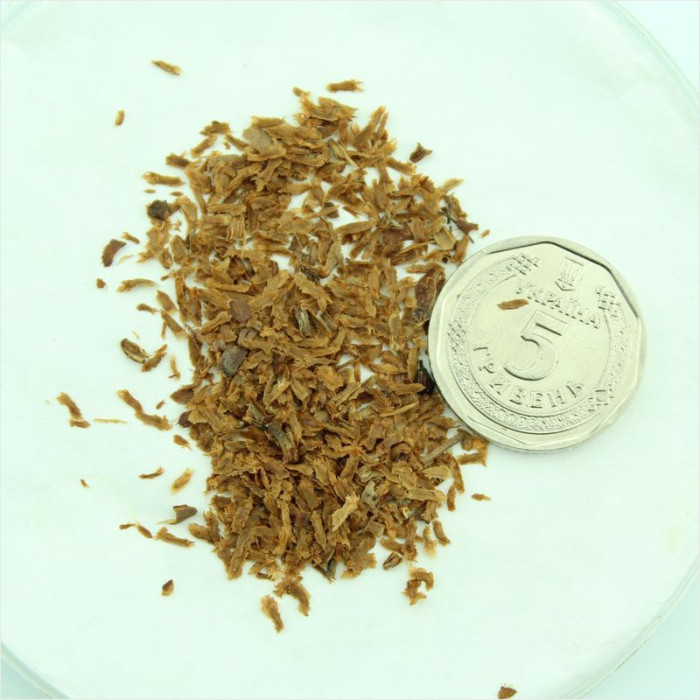
The best sowing time in a greenhouse at 18–24 °C is November–December. Early sowing is advantageous because it extends the growth period, allowing seedlings to develop better during the vegetation season. Since rhododendron seeds are very small and require light for germination, they should be sown on the soil surface without covering, scattered, and covered with glass. As soon as most seeds germinate, the glass is removed, and containers are moved to a cooler place (15–17 °C), where seedlings harden, strengthen, and develop better.
Further care of seedlings consists in maintaining optimal moisture. Overwatering leads to infection, which spreads quickly, and within a few days young seedlings may die. Watering is best done in the morning with a sprayer or watering can with a fine sieve, and extremely carefully!
No questions about this product, be the first and ask your question.