


The slowdown in seedling growth after planting in a permanent place has quite understandable reasons. Most often the main problem is stress due to a violation of any conditions of seedling preparation or transplanting rules.
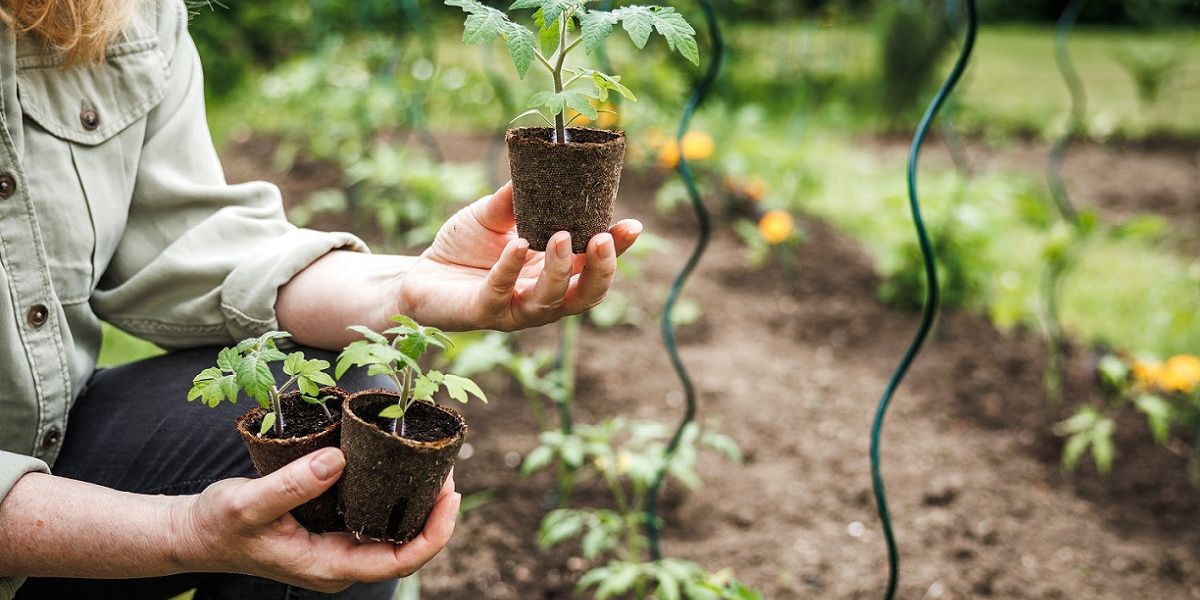
Losing seedlings at the very early stage of cultivation is of course disappointing, but not as much as watching suppressed, diseased, gradually dying plants transplanted into soil after months of care. After all, a lot of resources are spent on growing seedlings – not only time and money, but also nerves and emotional effort.
To avoid such a sad outcome, it is worth studying in advance the possible reasons for growth stoppage and ways to help plants.
Planting unprepared seedlings
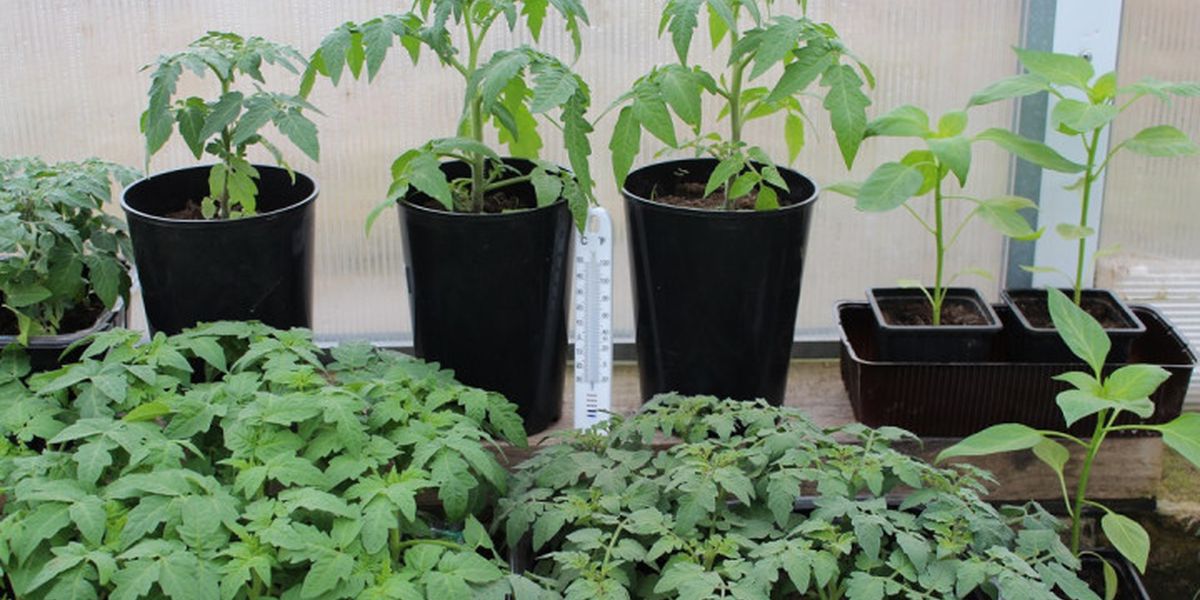
If the seedlings were not properly prepared for “moving” to the garden bed (especially open ground), then in the first couple of weeks after transplanting they may not only stop growing, but even die due to a sharp change in microclimate. Gradual pre-adaptation to outdoor conditions is one of the main factors of successful transplanting of young plants.
Hardening should begin about two weeks before the planned planting. It is best to start with ventilation: in warm weather open windows or take seedling boxes out to the balcony for a couple of hours, protecting them from wind and direct sunlight.
As plants adapt, their outdoor time should be gradually increased – by about half an hour to an hour each day. At the final stage, seedling trays can be placed on the balcony or in a greenhouse for the whole day: this way seedlings will learn to withstand both bright daylight and night coolness, which significantly increases their chances of successful establishment after planting in the ground.
To strengthen seedlings and ensure easier adaptation, on the eve of planting (2–3 days before) it is useful to carry out a complex feeding. Any complex spring fertilizer – universal or specialized – is applied by root watering.
Violation of planting timing
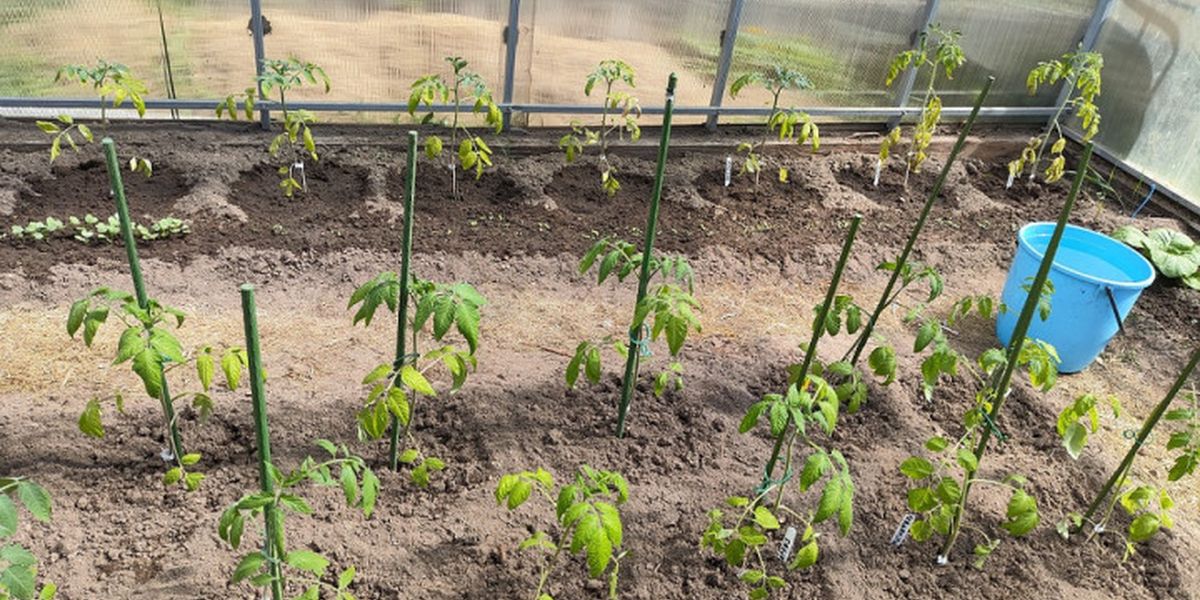
Many gardeners when planting seedlings are used to relying on calendar dates or air temperature, but this approach often fails. In recent years the weather has become unpredictable: even if the air has warmed up and the calendar time for planting seems suitable, just one frosty night can cause irreparable damage to young plants. You have to make a difficult choice: risk and plant seedlings on usual dates or postpone planting for a week or two, thereby slowing plant development.
Of course, risk is a noble thing, but it should be understood that only those gardeners who live permanently on their land and can quickly respond to weather surprises can afford early planting: cover plants in case of night frost, open greenhouse in hot weather and close during cold spells. For weekend gardeners, rushing can do more harm than good.
To clearly determine whether beds are ready to receive “residents”, you should first of all rely on soil temperature – this is crucial for each specific crop. To measure this parameter, it is best to use a special thermometer inserted to a depth of 10 cm (folk signs like dandelion blooming or birch leaf growth are not always reliable today).
Soil temperature requirements for different crops vary:
- tomatoes, peppers and eggplants can be planted after the soil warms up to at least 15°C (and this temperature must remain stable);
- cucumbers require even more heat, their optimal level is 18°C (if temperature drops to 14–15°C, growth will slow down or stop completely).
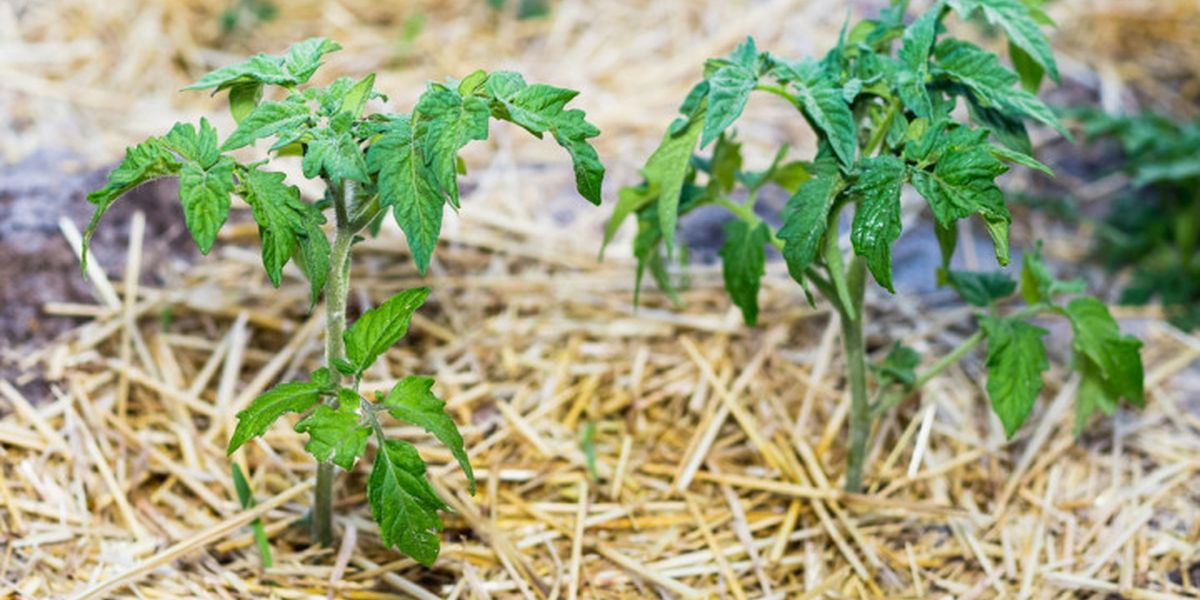
To minimize risks, it is important to protect seedlings from cold. Effective measures include covering with film and mulching. In addition, it is extremely important to water transplanted plants only with warm water (20–25°C).
Planting in unsuitable soil
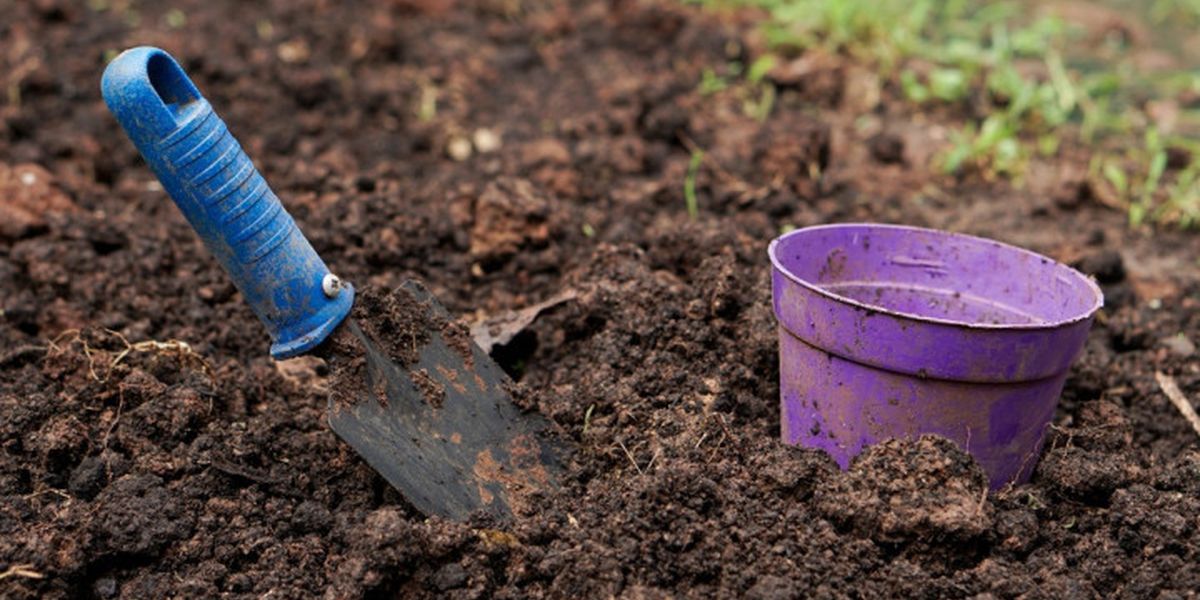
Soil composition and acidity level significantly affect plant development, including at the seedling stage. In some soil types, difficulties with growing most crops arise from the start – for example heavy loam, clay or sandy soil.
If these features are ignored, chances of getting a good harvest decrease sharply. Seedlings will not only root poorly and remain sick for a long time, but also will not be able to develop fully later: flowering and fruit formation will be weak, and fruits may not ripen at all.
Soil acidity balance is also important: most vegetable crops grow best in slightly acidic, neutral or slightly alkaline soils, while acidic or strongly alkaline soil is unsuitable. In inappropriate substrate plants cannot show their full potential.
To improve soil properties, sand and peat are added to clay soil and limed. Sandy soil, on the contrary, is enriched with organic matter and mineral fertilizers – this makes it more moisture-retentive and nutrient-rich.
If the soil is too acidic, the situation is corrected using ash, dolomite flour, lime, gypsum or chalk. Alkaline soils are acidified using high-moor peat, fresh manure, decomposed conifer needles or sulfate fertilizers.
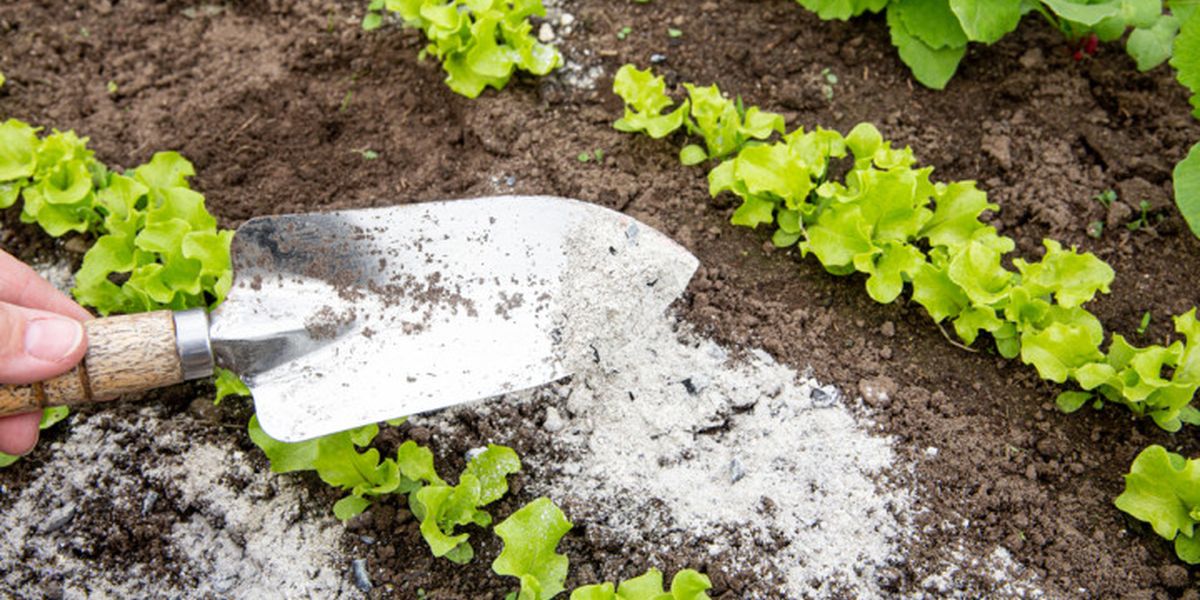
Of course, after transplanting seedlings it is no longer possible to dig up the entire plot or add fresh organic matter without risking plants. However, it is possible to adjust soil composition locally by applying suitable additives during planting or next watering.
It is extremely important in spring to use only non-aggressive organic matter that will not harm the sensitive root system of young plants. For example, fresh manure or slaked lime for deacidification are strictly prohibited at this stage!
Another reason for growth stoppage may be incorrect site selection for young plants – in particular, violation of crop rotation and planting after related crops. On one hand, pathogens typical for this plant group accumulate in soil, on the other hand most nutrients have already been removed by previous crops, and even fertilization does not always solve this problem. Both factors together make life very difficult for newly planted seedlings: they become sick, weaken and cannot develop normally either immediately after planting or later.
Improper care after planting and deficiencies
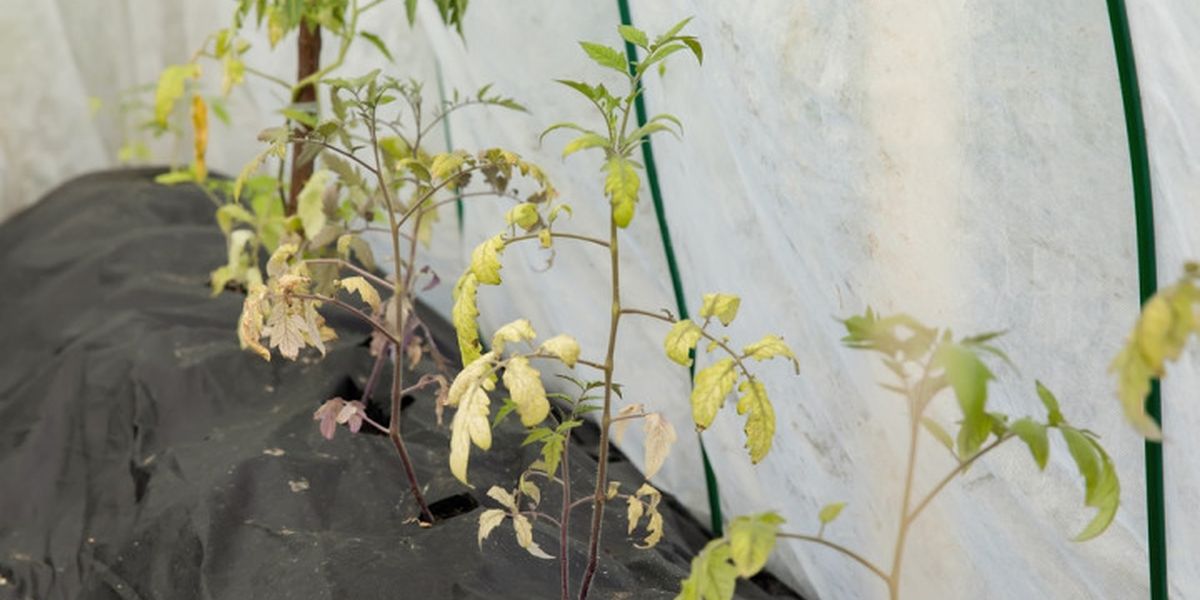
Seedlings can signal problems not only by stopping growth but also by other external changes. It is important to notice these signs in time, as they help correctly diagnose the cause of plant stress and choose the right solution.
For example, if growth slowdown is accompanied by yellowing leaves, it is most likely due to excessive watering or overly strong sunlight. If young plants begin to drop flowers, this often indicates insufficient hardening. And unusual leaf colors (purple underside, interveinal chlorosis) indicate deficiency of certain nutrients in the soil.
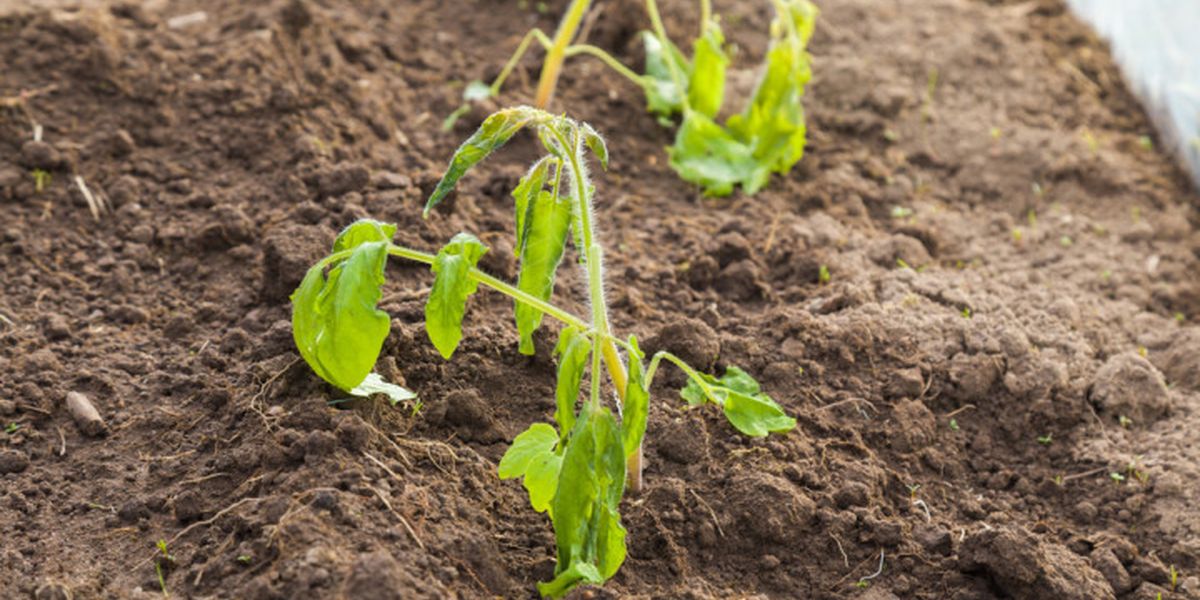
How to act in such situations? If leaves turn yellow, seedlings should be shaded from direct sunlight and watering should be adjusted, keeping 3–4 days between waterings.
When seedlings acquire unusual colors (gray, purple, red or brown), it is important to determine which element is missing and replenish it. In case of mass flower drop, treatment with Epin-Extra or another adaptogen helps.
If seedlings actively shed leaves, carefully dig up plants and inspect roots for rot or pests. Remove damaged parts and treat cuts with crushed wood or activated charcoal. Then disinfect planting holes with a pink potassium permanganate solution (in case of fungal infection) or treat with insecticide (in case of pests), and replant seedlings.
If you manage to correctly identify the cause of growth stagnation in each case – it will also be possible to help the seedlings. The main thing is not to give up and take measures to revive the plants as quickly as possible.