


June is the dress rehearsal before the main "ball of roses." Right now, the bushes are forming buds, and our actions will determine whether they turn into huge, fragrant flowers or remain small and pale. During this period, roses need a special "diet" rich in phosphorus and potassium, while it is also important not to overfeed them with nitrogen.
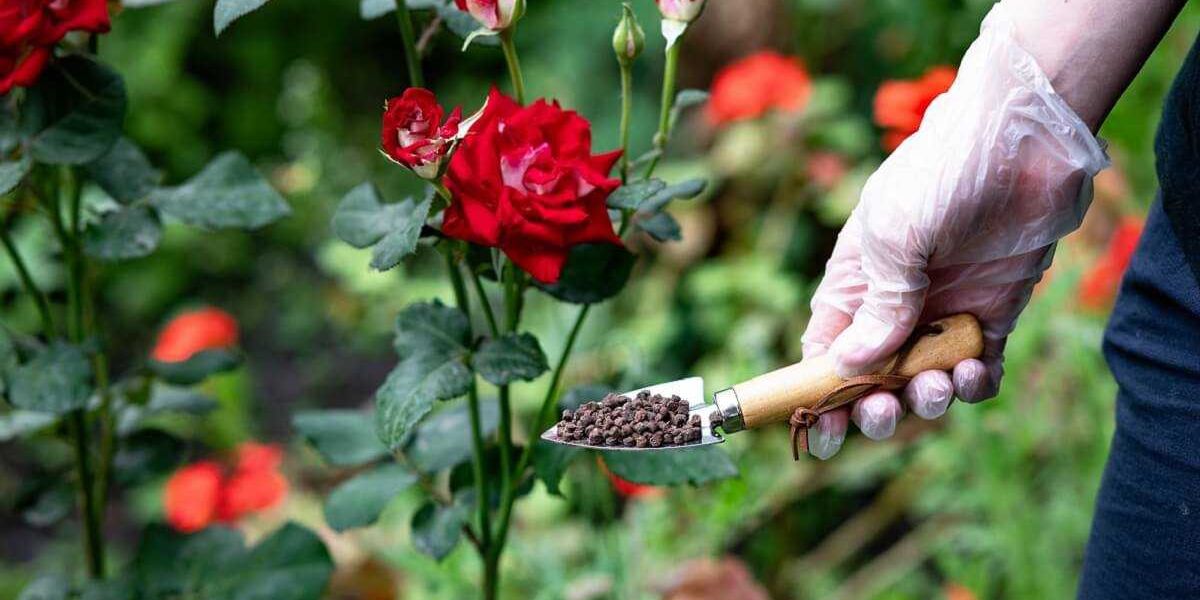
Let’s take a step-by-step look at what to water and spray the "queen of the garden" with so that the blooming is truly royal.
The main rule of June: change the menu
Before June, we gave roses plenty of nitrogen to encourage the growth of shoots and leaves. Now the goal changes: we need flowers, not greenery.
Nitrogen (N) – reduce it. In June, it should be kept to a minimum. If you overdo it, the rose will start producing thick blind shoots without buds and become more vulnerable to aphids and fungal diseases.
Phosphorus (P) – provide it. It supplies energy for forming large, bright buds and a strong root system.
Potassium (K) – provide it. It is responsible for color intensity, petal juiciness, and resistance to stress (heat, rain).
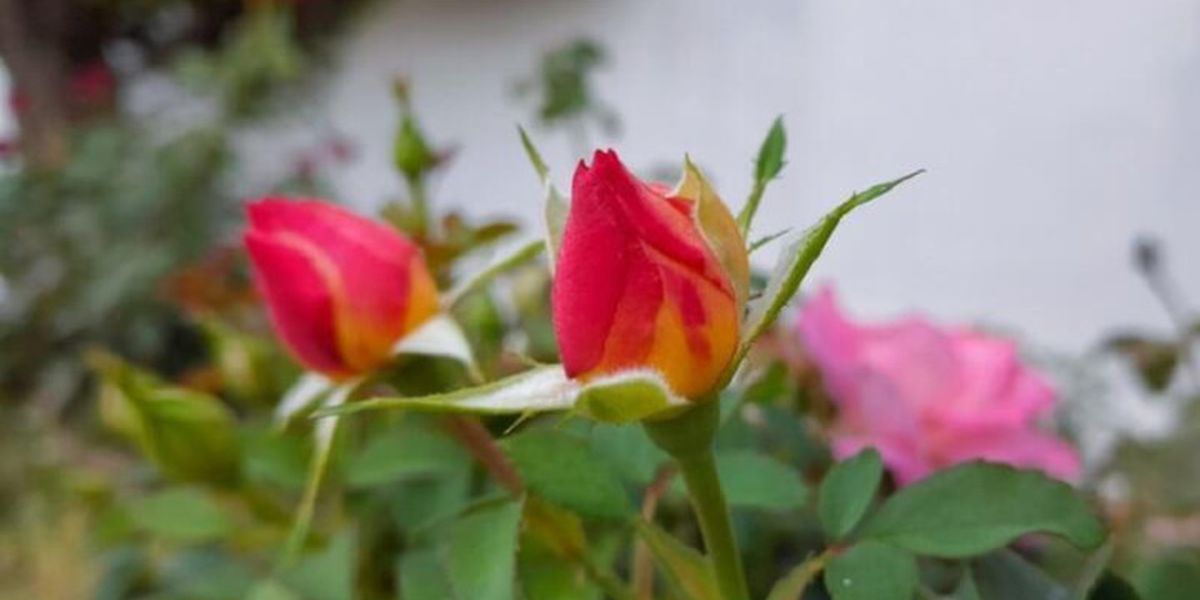
Based on this knowledge, you can choose a ready-made fertilizer for roses. These may include liquid organo-mineral fertilizers for roses or mineral complexes.
Root feeding at the budding stage (early to mid-June)
As soon as you see small pea-sized buds, it is time to act. This is the best period for liquid feeding, as it is absorbed almost instantly.
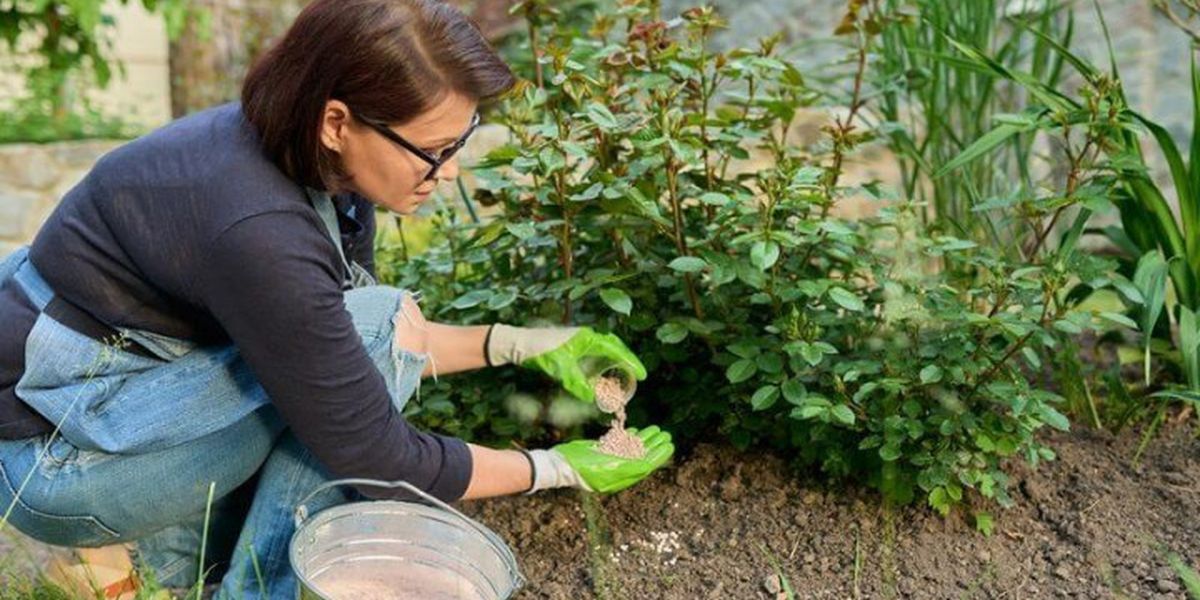
Mix options (per 10 liters of water):
1. Classic mineral feeding with a quick effect – 15 g of monopotassium phosphate. This fertilizer contains an ideal ratio of phosphorus and potassium. It dissolves completely. Apply 1–2 liters per bush (depending on size) on moist soil.
2. A "cocktail" for magnificent blooming. You will need 10 g of double superphosphate, 10 g of potassium sulfate, and 1 capful of liquid potassium humate (the humate provides additional nutrition and improves mineral absorption).
Superphosphate dissolves poorly, so it is best to pour boiling water over it and leave it for 24 hours, then use the liquid extract.
3. Organic option (for supporters of natural gardening). Steep 1 cup of wood ash in a bucket of water for 24 hours. Incorporate 100 g of bone meal into the root zone and water with the ash infusion.
Ash infusion is an excellent source of potassium and trace elements, and it also slightly reduces soil acidity.
The secret elixir for giant buds (boron + magnesium)
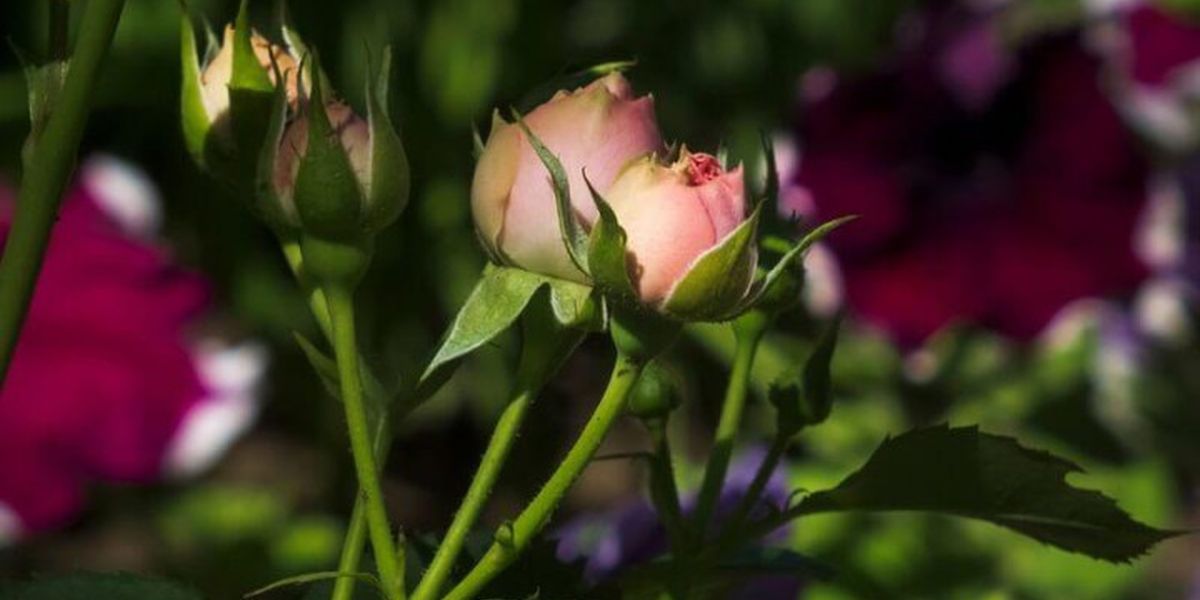
If you want the buds to stay on the plant, avoid drying at the edges, and grow huge, foliar feeding (spraying on the leaves) is essential.
Prepare the spraying solution (per 10 liters of water) using 10 g of magnesium sulfate and 2 g of boric acid (first dissolve the boric acid in a small glass of hot water). Magnesium sulfate prevents leaf yellowing and makes the color more intense. Boric acid acts as a flowering catalyst and also helps prevent bud drop.
Spray roses with this solution once in mid-June. The result becomes noticeable within a few days: the buds become firmer and healthier.
Emergency help and traditional tricks
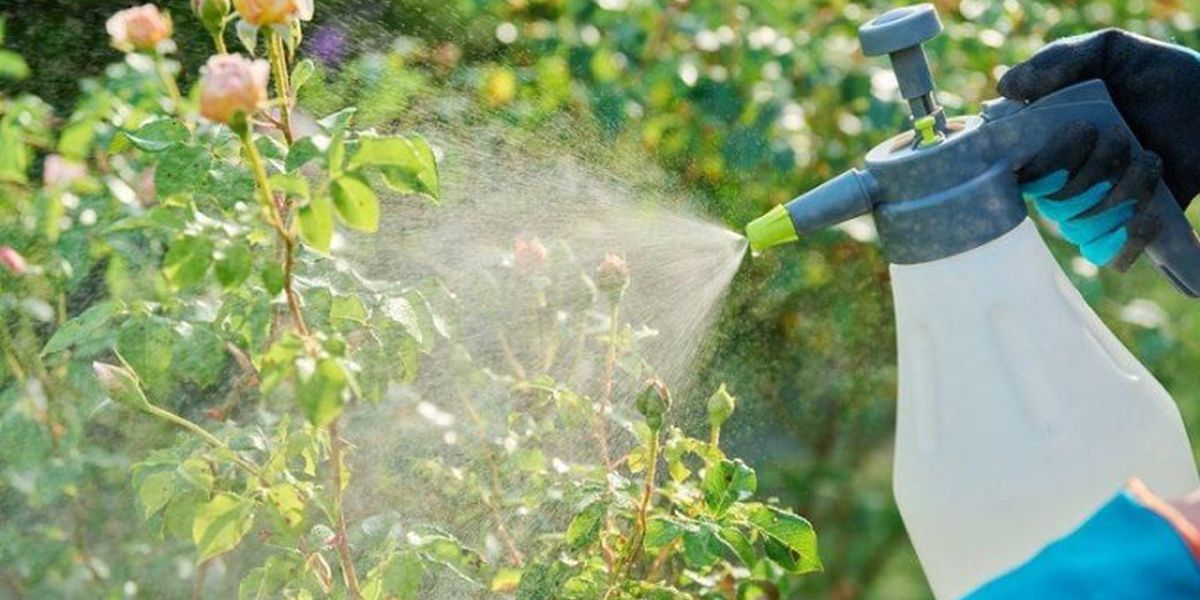
Sometimes June brings prolonged rains or, on the contrary, extreme heat. Roses need support to adapt. In such stressful situations, use succinic acid (2 g per 10 liters of water). This is not a fertilizer but a powerful metabolic stimulant. Water the roots and spray the foliage. It can revive even weak bushes.
With some reservations, you can also use the "grandmother’s method" (yeast + sugar). Many gardeners use this recipe, but it is important to understand that yeast stimulates soil microflora rather than directly feeding roses. Mix 100 g of fresh yeast and 100 g of sugar in 3 liters of warm water. Let the mixture ferment for 3–4 hours, then bring the total volume to 10 liters.
After using yeast, apply potassium sulfate according to the instructions 7–10 days later.
Important DON'Ts for June
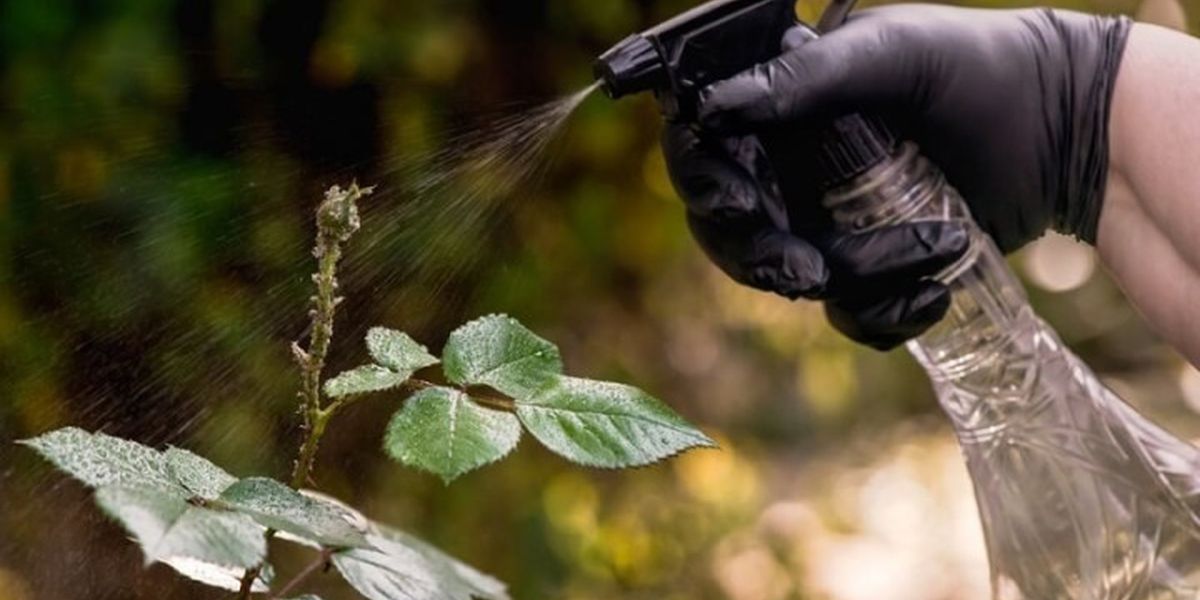
- Do not apply fertilizers to dry soil. First, water the bush thoroughly with clean water; otherwise, you may burn the absorbing roots.
- Do not use cold well water for irrigation. Cold shock stops root growth. The water should be settled and warm.
- Do not try to "feed" a sick rose. If there is black spot disease or an aphid infestation on the leaves, first treat the plant with insecticides or fungicides, and only apply fertilizers 3–4 days later.
Follow these simple rules, and in July your garden will turn into a "cloud" of fragrant roses, while your neighbors will be trying to discover your secret recipe for success.