


Beginner gardeners, especially those planning to spend minimal time at the dacha, may optimistically plan their garden work in the following way: on one weekend they plant all seeds of all crops, exactly one week later they all sprout together, in two to two and a half weeks they can already transplant the overcrowded seedlings, in three to four weeks they carry out a general feeding and so on.
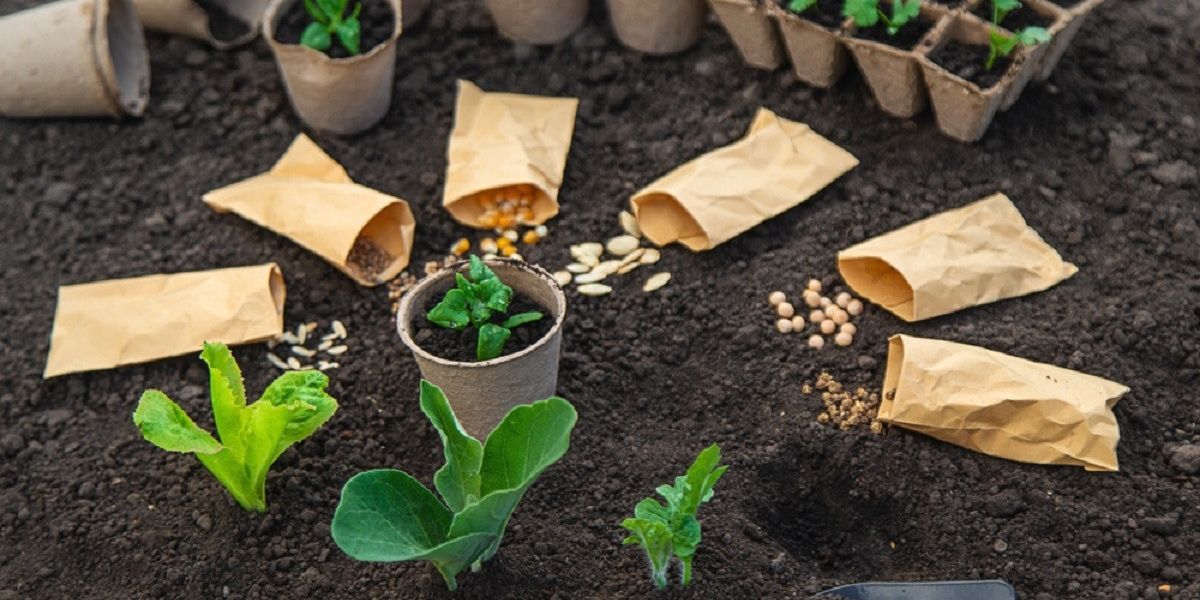
In reality, such beginners in gardening may face an unexpected surprise. Yes, you can plant seeds «in bulk» at the same time, but if some plants will really sprout in just a few days, then others will take twice as long to germinate, and still others – several weeks or even more than a month. And then you will have to urgently shift the seemingly perfectly planned schedule and break stages of transplanting, repotting, feeding and other work for different crops into several phases, which can seriously disrupt your plans.
To avoid this, let’s first understand why different seeds behave so differently at the very initial stage of development – so that their germination speed does not become a surprise for you and you can better plan your garden work.
Let’s immediately determine that the reasons for differences in germination time (from a few days to several weeks) can be divided into two groups – agronomic and biological.
Biological reasons
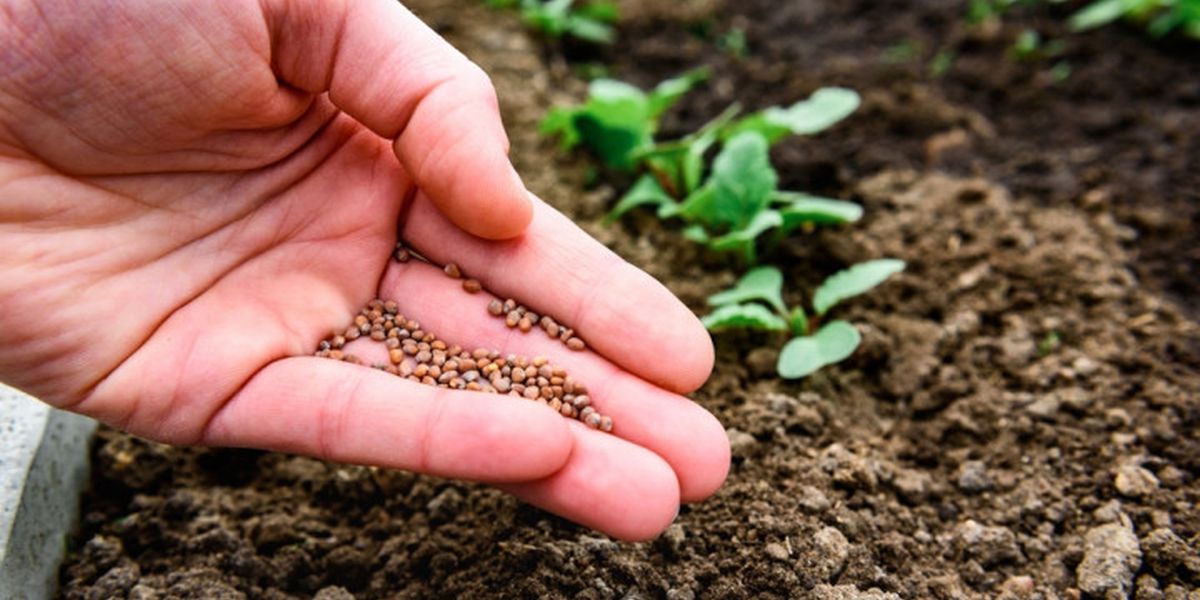
Among the main factors of seed germination speed, we will name the biological characteristics of plants and the quality of seed material. What exactly affects the process?
Seed size. Small seeds, as a rule (but not always!), germinate faster than large ones. This is due to the fact that the former absorb moisture faster, which is the main signal for the start of germination, require fewer nutrients for sprouting, and reach light faster since they are sown more superficially.
Seed coat thickness. Seeds with a thick and hard coat (for example parsley, dill, legumes, coriander, lupin, sweet pea) absorb water slowly. And until water penetrates inside and softens the coat, the germination process does not start.
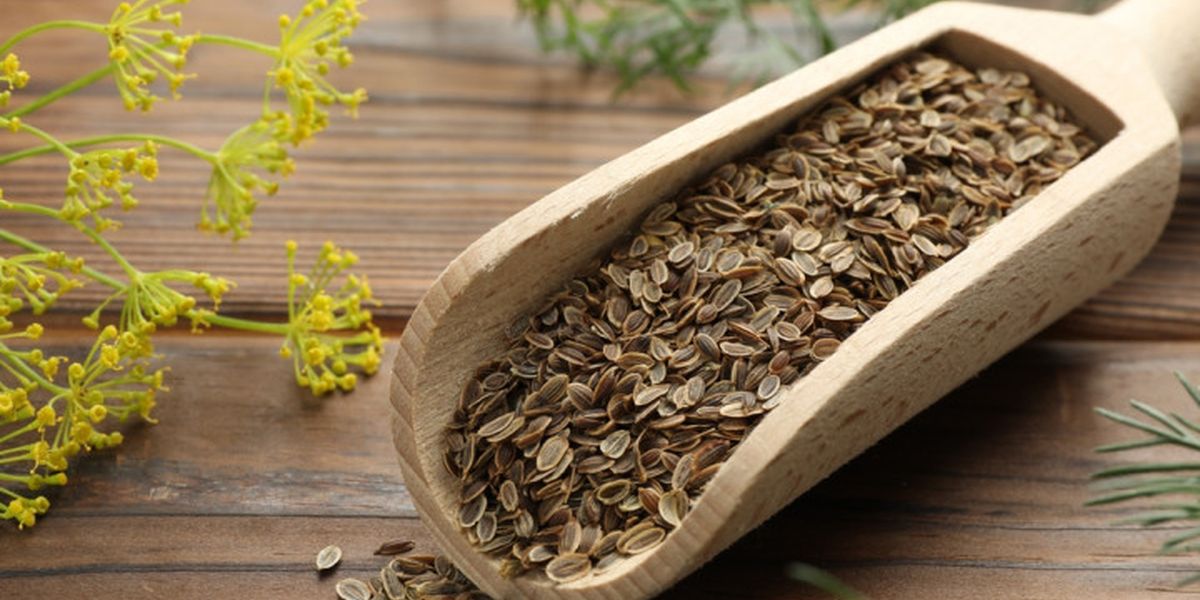
Presence of germination inhibitors in the seed coat. Some plants (celery, dill, parsley, carrot, etc.) contain so-called growth inhibitors in their seed coat, which prevent seeds from germinating in unfavorable conditions such as cold, overly dry soil, etc. Such seeds need a long time and suitable conditions (moisture, temperature, etc.) for these substances to be washed out. Most often these inhibitors are essential oils, hormones, etc.
Seed germination energy. Seeds can be conditionally divided into slow-germinating (for example carrot, parsley, onion) and fast-germinating (radish, lettuce). Germination energy usually refers to the strength with which the seed sprout “pushes” outward. The higher this energy, the faster and more uniform the seedlings appear – and this is a purely physical characteristic determined by nature itself; sometimes it is indicated as a percentage for certain seeds (for example, peas average 85–95%, while parsnip and carrot norm is only 40–70%).
Many crop seeds also require a mandatory “rest” period before germination, corresponding to wintering in cold soil in nature – without this condition they may not germinate at all. This applies to most perennial flowers (aquilegia, aconite, delphinium, lavender, primrose, phlox, gentian, peony, rudbeckia, clematis, milkweed, lupine, poppy, calendula, heuchera, veronica, iberis, catnip, buddleia, baptisia, milkweed, helianthemum, heliopsis, ornamental onion, St. John’s wort), conifers (spruce, pine, juniper), medicinal and aromatic plants (lavender, mint, thyme, lemon balm)…
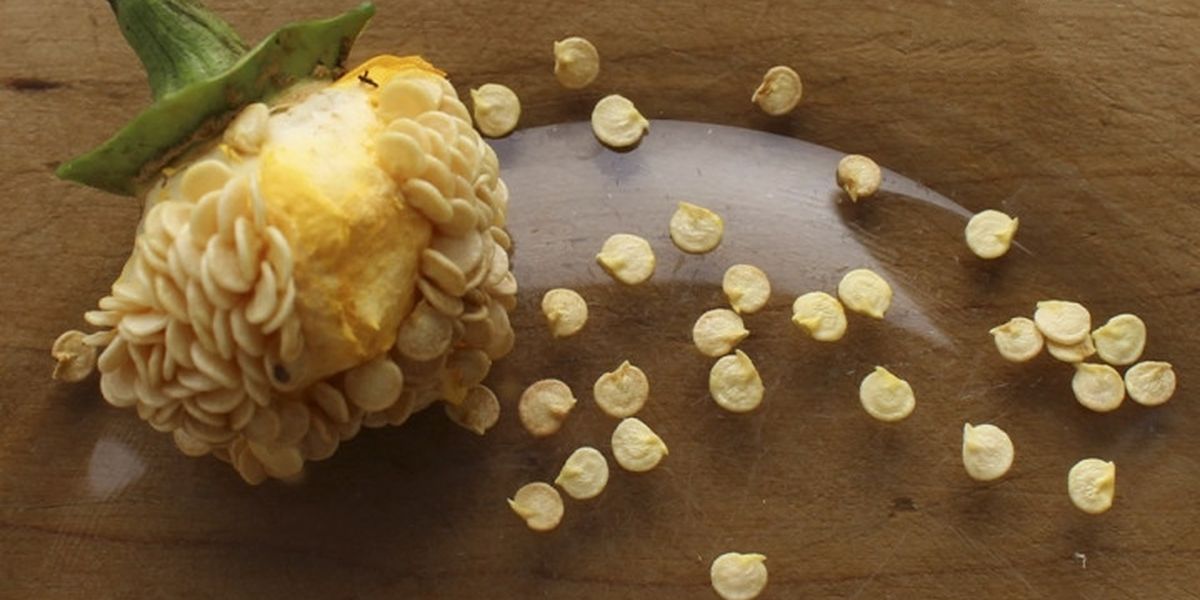
Seed freshness. For most crops there are specific storage periods after which seeds lose viability. Such old seeds gradually lose their original germination energy, sprout unevenly or do not sprout at all. Keep in mind that these storage periods vary greatly between crops – for example pumpkin, zucchini, beans, cabbage, many cucumber and tomato varieties can still germinate after 5–6 years, while freshly collected seeds of parsnip, celery, scorzonera, asters, gazania, delphinium, phlox should be planted no later than the next season, otherwise you may get no seedlings at all.
Storage conditions are also very important – if not followed, seeds may “spoil” earlier and fail to germinate properly.
Seed pelleting. Finally, some seeds are pelleted by manufacturers before sale to increase their size for more accurate sowing, speed up germination, protect against diseases and pests, and reduce fertilization costs. Pelleting is a coating of seeds with an artificial nutrient and/or protective shell, which must NOT be dissolved before sowing – it should dissolve itself in moist soil to perform its function.
If you choose seeds with the fastest germination for your beds, also consider that different crops differ not only in seed germination speed but also in subsequent seedling growth speed. For example, green onions, watercress, radish, dill, spinach and leaf lettuce usually develop fastest; slower – celery, lavender, eustoma, petunia, etc.
Agronomic reasons
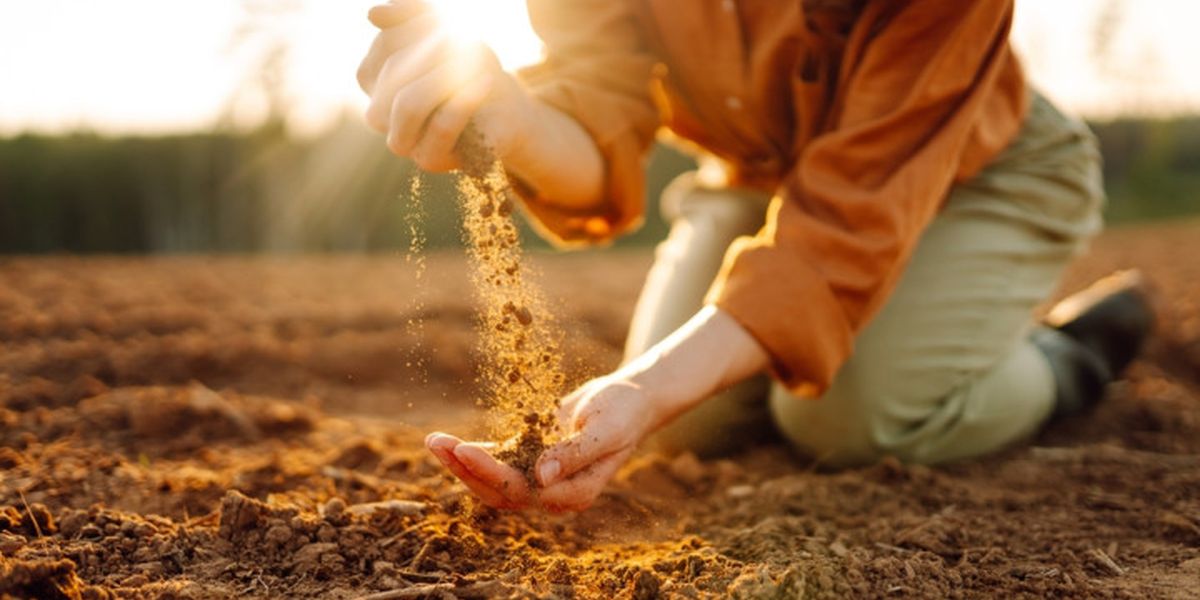
In addition to biological reasons for differences in seed germination speed, their sprouting is also influenced by agronomic factors.
Germination of any seeds occurs under proper moisture and oxygen supply in suitable temperature and light conditions. At the same time, for different crops these conditions must be within specific ranges, and if violated, seeds germinate much slower than normal or do not germinate at all.
Simply put, small seeds must not be planted too deep – their sprouts will not have enough strength to reach the surface. Seeds that germinate in light also do not tolerate deep burial. Too dense or waterlogged soil blocks oxygen access, causing seeds to “suffocate” and rot. If the soil is too dry, the coat cannot swell and dissolve in time for the sprout to emerge, even if metabolism inside the seed has started. Keeping heat-loving plants in cold conditions during germination also reduces water absorption and metabolic activation. And so on.
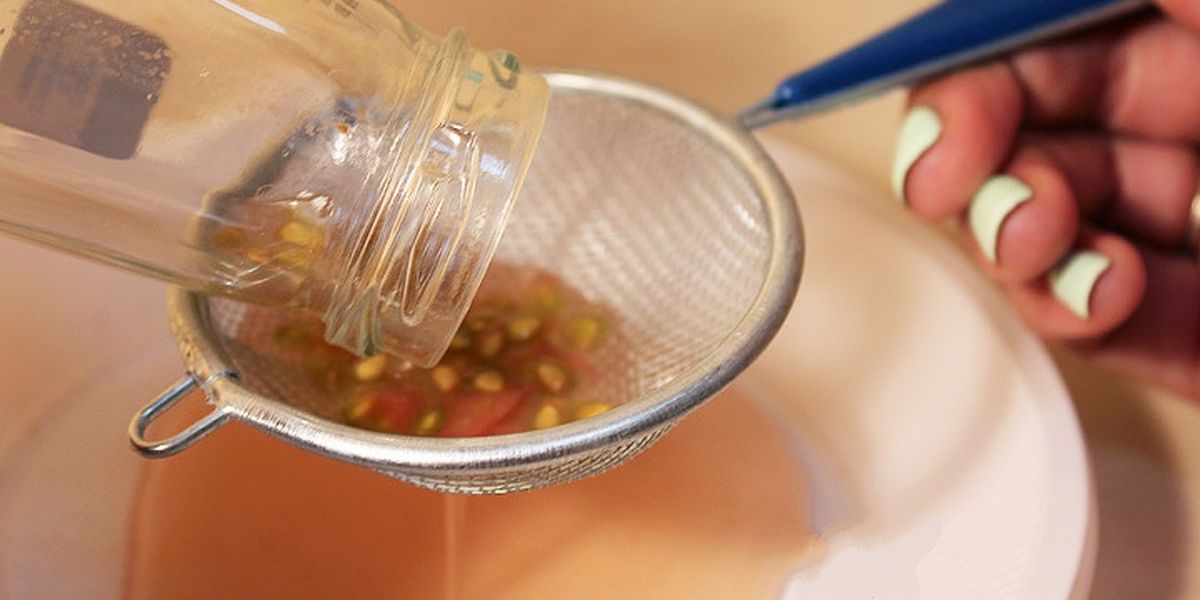
The good news is that you can influence some of the above factors (both biological and agronomic) if you want seeds to germinate faster.
For example, you can speed up germination of seeds with a thick and hard coat by scarification (scratching, filing, rubbing with sand or abrasive powder), alternating hot and cold water treatment, or acid treatment followed by thorough rinsing. Seeds that require a long cold period can be “tricked” by stratification – keeping them in a moist substrate (sand, peat, vermiculite) at 0–5°C (for example in a refrigerator) for several weeks or months depending on the crop. Oxygen saturation and deactivation of inhibitors can be improved by bubbling – treatment in 20–25°C water saturated with oxygen or air (for example using an aquarium pump) for 12–24 hours. And almost all seeds benefit from pre-soaking in warm water (even better with growth stimulants) for several days, which softens the coat, washes out inhibitors, saturates seeds with moisture and increases germination energy.
How long different seeds take to germinate
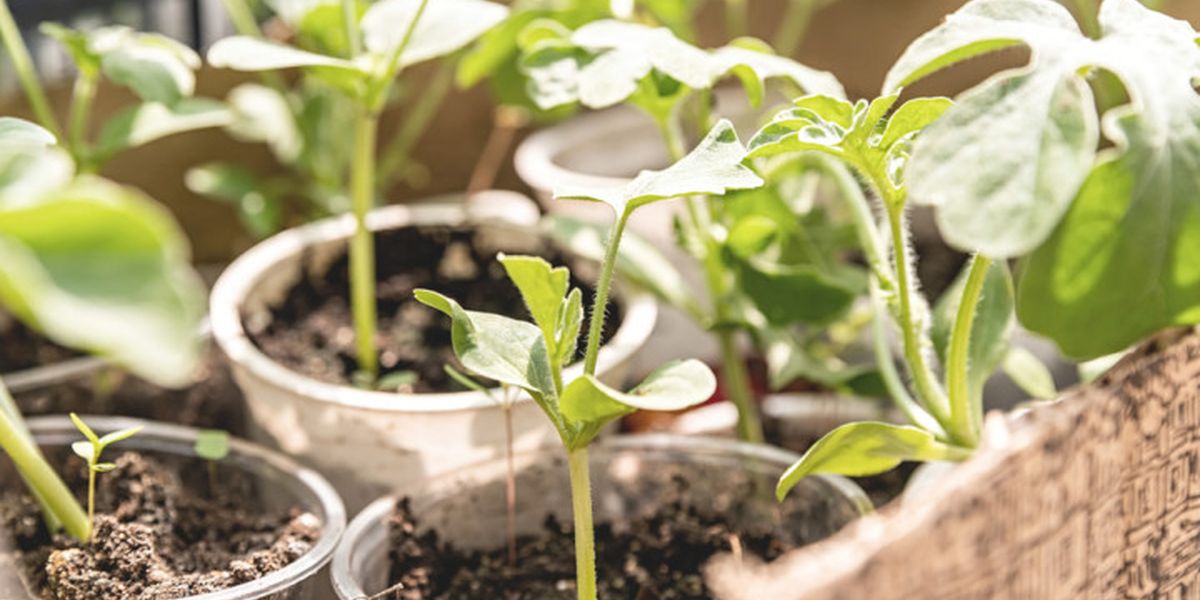
Approximate timeframes for planting different crops – when to expect the first sprouts (of course, with proper seed quality/freshness and under optimal germination conditions).
Radish, arugula, mustard, watercress, dill, leaf lettuce and turnip germinate 3–5 days after sowing.
Cucumbers, zucchini, cabbage, beet, radish, beans, peas, corn, spinach, chard and borage usually germinate in 5–7 days.
Pepper, tomatoes, eggplant, pumpkin, sorrel, onion, garlic, slime onion and chives require more time – 7 to 14 days.
Celery, parsley, strawberry, rhubarb, monarda, mint, rosemary, thyme, fennel, tarragon, marjoram, coriander, chervil, oregano, anise and hyssop appear in 14–21 days.
Carrot and parsnip have the longest period – 20 to 30 days before emergence.
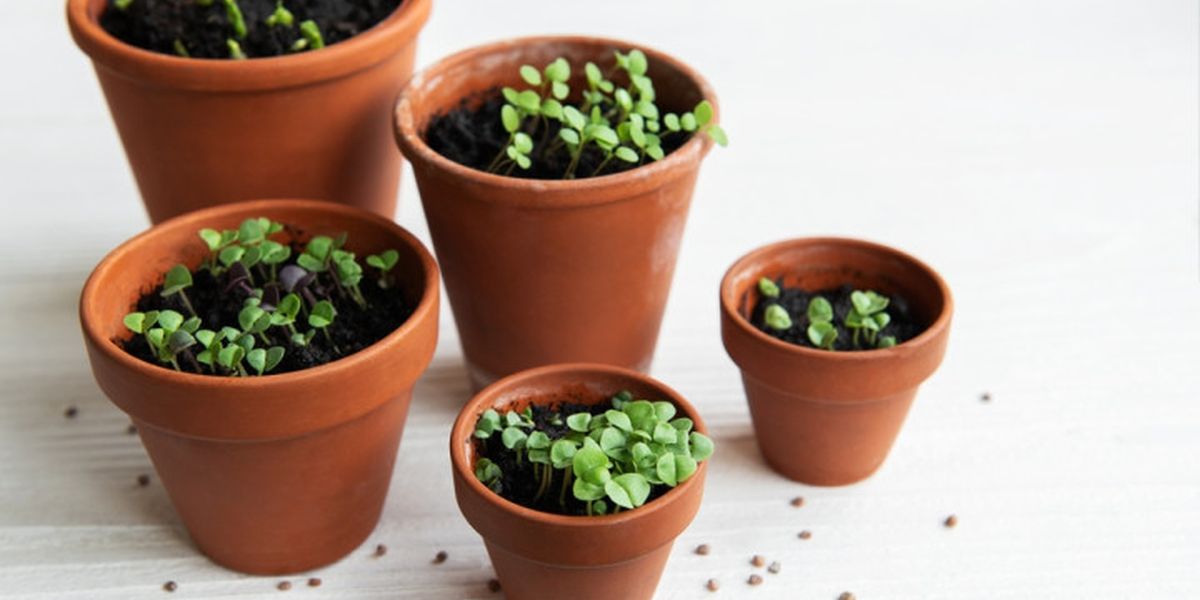
Marigold, zinnia, stock, sweet alyssum, mattiola, iberis and amaranth germinate in 5–7 days.
Sunflower, aster, calendula, Drummond phlox, rudbeckia, daisy, dimorphotheca, sweet pea, annual dahlia, carnations (Shabo and Chinese) and gaillardia germinate in 7–10 days.
Ageratum, cornflower, balsam, godetia, delphinium, morning glory, clarkia, cosmos, pelargonium, petunia, echinacea and tobacco appear in 10–14 days.
Eschscholzia, nasturtium, snapdragon and balsam require 14–16 days.
Lavender, verbena, lavatera, salvia, hollyhock, winter rose, globeflower, gentian and aquilegia have longer periods – 15–20 days.
These germination times are approximate and average. If you use pre-sowing treatments (soaking, scarification, bubbling, sprouting, stratification, heating, growth stimulants), the timing can change – sometimes almost twice.
Also remember that most crops have early and late varieties, which can significantly affect germination speed.
Fast-germinating seeds are not “better” or “worse” than slow ones. Just make sure seeds are fresh and high quality, and strictly follow the germination method for each crop – then all seedlings will appear evenly and on time.