


Protecting plantings from diseases and pests is one of the most important components of agricultural practices for any crop. No garden plot exists in complete isolation. Therefore, no matter how perfect the order on your property may be, aphids, whiteflies, thrips, moths, caterpillars, slugs, spider mites, and many other small invertebrates that enjoy feeding on the leaves, buds, and fruits of cultivated plants will regularly and freely find their way to you from a neighboring yard, a nearby meadow, or a forest not far away.

Of course, effective pesticides, acaricides, and molluscicides have long been developed to combat all these crawling and flying pests. But first, let us remember the so-called repellents.
Repellents (from the Latin repellens, repellentis – driving away, repelling) are natural or synthetic chemical substances that, through their smell and other emissions into the air and soil, repel various living organisms without harming either the environment or the "object of protection" itself.
Alongside commercial repellent products sold as sprays, ointments, lotions, gels, and similar forms, there are also so-called repellent plants containing strongly scented substances (simple and complex esters, alcohols, aldehydes, amides, essential oils, etc.). The presence of these substances allows such plants to repel unwanted small pests from your garden beds.
The repellent properties of such plants are usually used in a very simple way in the garden – by planting them between rows and around the perimeter of beds or by interplanting them with cultivated crops.

It is important to understand that plant repellents do not destroy troublesome creatures but only repel them to a certain extent, and much less effectively than industrial chemical-based products (DEET, benzoylpiperidine, oxamate, rebemide, carboxide, dimethyl phthalate, and others). Therefore, if you are planning a serious fight against pests, you should not expect that a couple of repellent plants will permanently keep them away from your property.
However, as a preventive measure and for control at the early stages of infestation in greenhouses or open ground, when there are still very few insects, why not try this before resorting to strong chemicals? Moreover, many of these plants provide additional benefits – some can be used in your medicine cabinet or kitchen, while others are simply beautiful and pleasantly fragrant.
So, when it comes to tomato plantings, which neighboring plants can help keep pests away from tomato bushes?
Marigolds
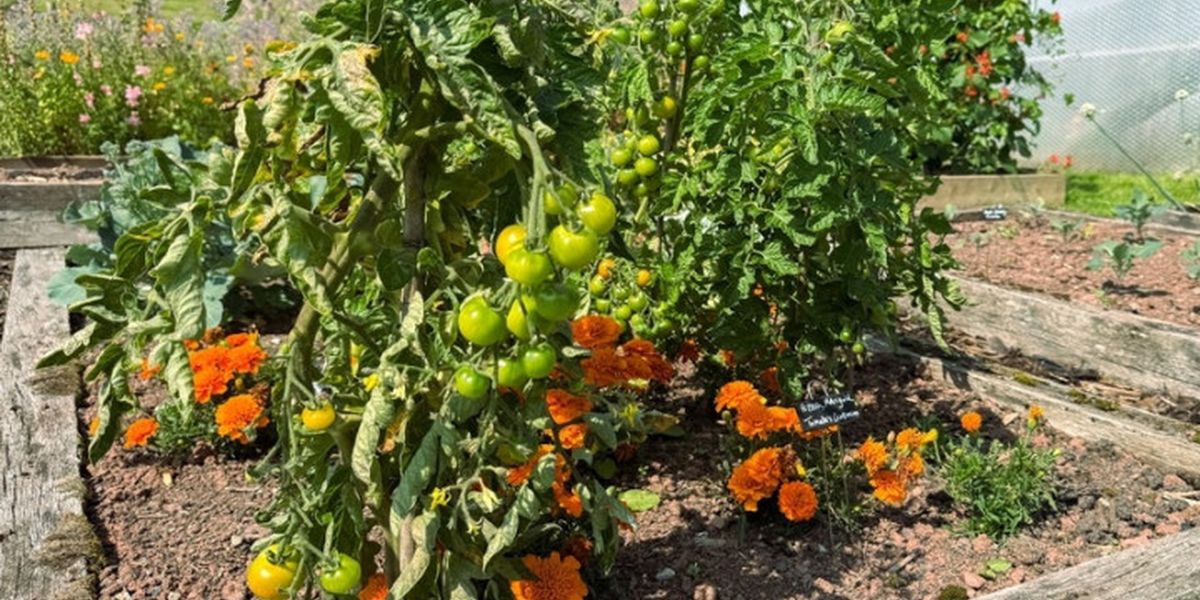
Marigolds can be found in many home gardens. Experienced gardeners know that these bright and highly decorative annuals help protect beds from pests such as aphids, caterpillars (larvae of beetles and butterflies), flea beetles, stink bugs, cutworms, nematodes, onion flies, Colorado potato beetles, cabbage butterflies, weevils, and mole crickets.
Marigold roots release thiophene, which repels soil pests and suppresses the growth of certain weeds such as couch grass and horsetail. Therefore, marigolds can safely be planted along the edges of tomato beds or in wide row spacings – and they will also attract beneficial pollinating insects.
Garlic

Garlic is well known in folk medicine for its fungicidal and antibacterial properties. It can also help garden plants, including tomatoes, cope with potential pest invasions. The phytoncides (biologically active substances) actively released by this plant suppress the growth of pathogenic microflora and repel pests such as spider mites, aphids, whiteflies, garden ants, caterpillars, codling moths, crucifer flea beetles, and carrot flies.
So feel free to interplant tomatoes with garlic, whose strong aroma masks the scent of cultivated plants and disorients pests. By the way, tomatoes also make excellent companions for garlic – helping its bulbs grow larger and protecting it from scab.
Onions

Almost everything said above about garlic also applies to onions – the same beneficial phytoncides and the same positive effect on neighboring plants. Onions help repel aphids, spider mites, carrot flies, many leaf-eating pests, and the pathogens of various dangerous diseases such as late blight.
At the same time, you can choose almost any type of onion as protection for tomatoes and a valuable addition to your diet – bulb onions, chives, leeks, shallots, and others.
Calendula (pot marigold)

This popular medicinal plant from the Aster family is also often planted as a companion along the edges of tomato beds. Calendula improves soil health by suppressing the development of pathogens that cause gray mold, damping-off disease, and other fungal infections. It protects crops from aphids, caterpillars, mites, Colorado potato beetles, asparagus beetles, and nematodes. Aphids, for example, are literally attracted to calendula and diverted away from nearby crops.
Sage
A powerful natural insect-repellent and an undemanding plant, sage contains large amounts of essential oils and phytoncides. It is effective against aphids, spider mites, cutworms, cabbage moths, cabbage butterflies, flea beetles, codling moths, and ants. An additional bonus for gardeners is that mosquitoes also tend to stay away from this aromatic perennial herb.
Moreover, all species of sage are exceptionally decorative flowering plants and excellent nectar sources that will beautify your garden.
Nasturtium

Slugs, aphids, mosquitoes, caterpillars (larvae of beetles and butterflies), whiteflies, stink bugs, and Colorado potato beetles are just some of the pests that can be repelled by planting nasturtiums around the perimeter of garden beds.
Due to its high content of phytoncides, essential oils, and alkaloids, nasturtium acts in the garden as a natural repellent, masking the scents of cultivated plants. It also serves as a trap crop, diverting pests away from vegetable beds. In addition, its roots release substances that suppress the development of root-knot nematodes.
Mint
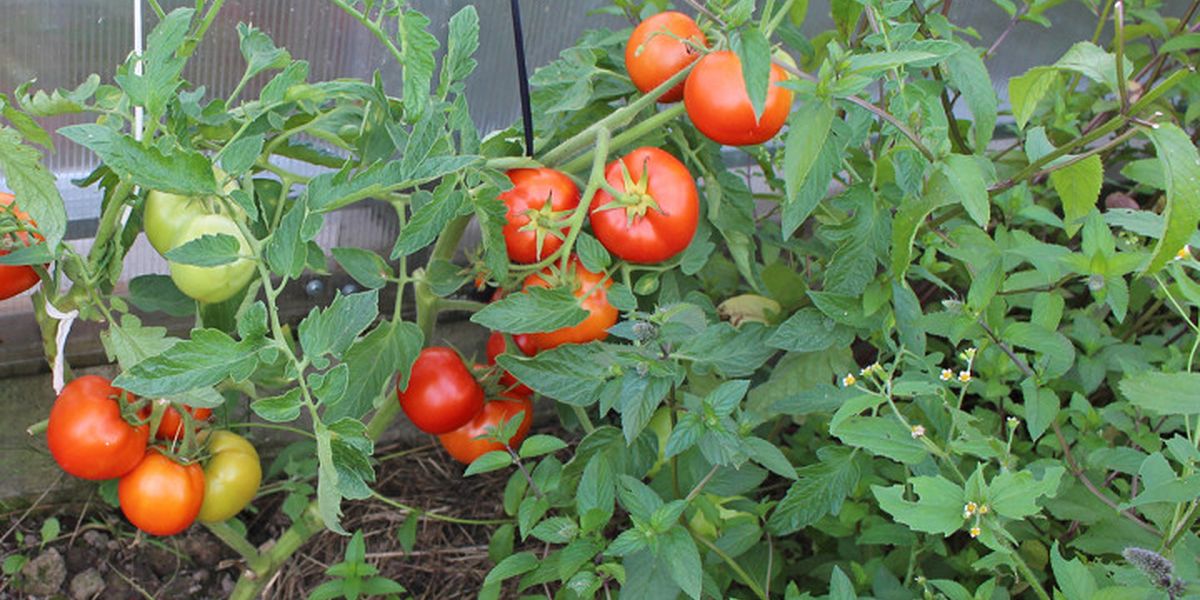
The strong aroma of mint also repels most flying and crawling pests, including whiteflies, cabbage butterflies, fruit flies, mosquitoes, ants, aphids, spider mites, cabbage moths, and carrot flies (and around homes, it can also deter wasps, flies, mosquitoes, and hornets) by irritating their sensory receptors and masking the scents of host plants.
Moreover, mint attracts ladybugs – natural predators of aphids, psyllids, scale insects, and spider mites – and, according to followers of organic gardening, stimulates the growth and fruiting of tomatoes.
In general, almost any culinary herbs and aromatic leafy crops (cilantro, basil, thyme, rosemary, lemon balm, parsley, and others) help protect tomatoes from attacks by harmful insects. Even common stinging nettle and borage repel soil pests, extend the storage life of fruits, and can even improve the quality of tomato juice.
So, if insect pests are preventing your tomatoes from developing properly, do not rush to use powerful chemicals – first try planting repellent plants near your tomato beds, especially if you support environmentally friendly gardening. Their preventive effect can be enhanced by spraying plants with infusions made from these same chopped crops or by using their essential oils.
Of course, such "green helpers" should not be considered the only means of protecting crops from pests. However, as an additional preventive measure and part of a sensible basic care system, they can certainly be useful.