


 0
0
In stock
Product Code: 16132
Sweet pepper «Anastasia» - mid-season variety. The period from germination to the beginning of ripeness is 120-130 days. The bush is 60-80 cm high. The fruits are large, weighing 200-250 grams, conical in shape, 12-15 cm long, 8-9 cm in diameter, dar..
$0.99
 0
0
In stock
Product Code: 12970
Hot pepper (bitter) «Habanero Red Savina» - mid-season variety. From 1994 to 2006, he held the official spiciness record with 577,000 scoville and the hottest in the Habanero varietal group. Bush height up to 70 cm with an active side branch. Fruity ..
$0.99
 0
0
In stock
Product Code: 11798
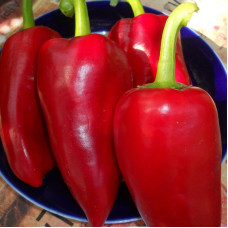
Sweet pepper «Morozko» - is a good mid-season variety for open ground and film shelters. Plants 50-65 cm tall, standard, compact, strong, with excellent fruit set (10-29 fruits are tied at the same time!) at low temperatures.
The yield of marketab..
$0.99
 0
0
In stock
Product Code: 11342
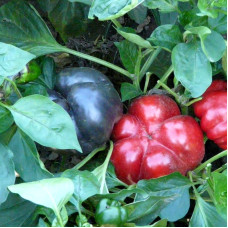
Sweet pepper «Socrates» - is an early highly productive variety. Fruits are 4-chamber blocky, very large 11 by 10 cm in size with very thick walls and delicious taste. This is a truly impressive pepper that is great for eating fresh or for processing..
$0.99
 0
0
In stock
Product Code: 8112
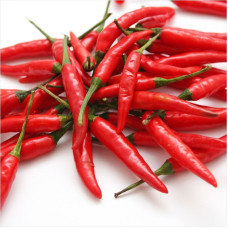
Hot pepper (bitter) «Chile» - is a mid-early variety of hot pepper. Vegetation period 127-137 days from germination to biological maturity. Bush height 55-85cm. On one plant, up to 30 fruits of an elongated conical shape are formed, weighing 20-60 gr..
$0.99
 0
0
In stock
Product Code: 7961
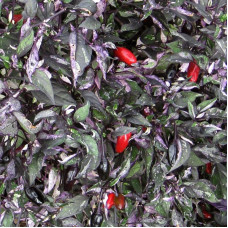
Hot pepper (hot) «Colencore variegated» - is a dwarf hot pepper. The bush is low-growing, up to 15 cm high, all variegated. It forms a lush bush well, even without pinching the top. The fruits change color from dark purple to bright red. Productivity..
$1.99
 0
0
In stock
Product Code: 12335
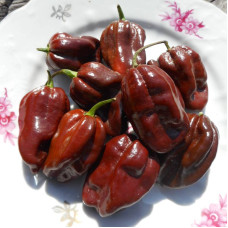
Hot pepper (bitter) «Habanero chocolate» - the height of the bush is 80 cm. Classic Habanero with large beautiful fruits the color of dark chocolate (when ripe). According to the statements of everyone who has tried this variety in comparison with ot..
$3.99
 0
0
In stock
Product Code: 4331
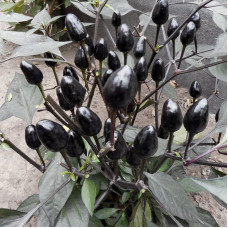
Hot pepper (bitter) «Ornamental Black Olive» - mid-season variety. The fruit ripening period is 120 days. A very pleasant, compact, productive plant covered in dark green leaves with attractive purple flowers and black, glossy olive-like fruits. When..
$0.99
 0
0
In stock
Product Code: 2891
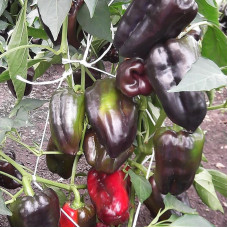
Sweet pepper «Black Horse» - this is an early ripening variety. The growing season from mass emergence to biological ripeness is 110-120 days. The bush is compact, well leafy. The fruits are large, weighing 150-250 g, cube-shaped, thick-walled, black..
$0.99
 0
0
In stock
Product Code: 15388
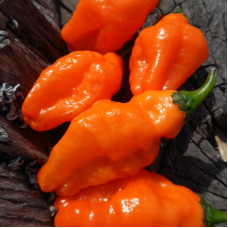
Sweet pepper «Lesya orange» - is a mid-season, productive variety that is resistant to major pepper diseases. Bush height – 60cm. The fruits are heart-shaped with a sharp nose, orange in color, weight 120-180 grams, wall thickness 10mm. A favorite va..
$0.99
 0
0
In stock
Product Code: 13674
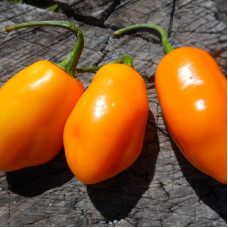
Hot (bitter) pepper «Scotch bonnet saraga» - is a rather spicy variety with a slight sourness and aroma of cherry wood (as in rokoto peppers). The plants grow well in pots and give a good harvest of peach-orange fruits with a fruity tropical aroma. C..
$1.99
 0
0
In stock
Product Code: 13672
Hot pepper (bitter) «Uruguay seasoning» - the height of the bush is 50-60 cm, the fruits are 4-6 cm long. Ripens from light green to bright yellow. The walls of the fruit are thin and crispy, the shape is similar to sacs and nodules. The taste is ric..
$0.99
 0
0
In stock
Product Code: 14994
Sweet pepper "«Citrine» - mid-early variety (100-18 days). The height of the bush is 70cm. The fruits are elongated-cubic, weighing up to 160 grams, wall thickness - 8mm. Delicious, juicy, aromatic. In technical ripeness, the fruits are yellow, and i..
$0.99
 0
0
In stock
Product Code: 12988
Hot pepper (bitter) «Aji Amarillo» - local residents use it in their national dishes. Orange fruits up to 20 cm in length and weighing up to 120 grams, have a fruity taste and smell of raisins. The aromatic taste of pepper makes it an excellent raw m..
$0.99
 0
0
In stock
Product Code: 15679
Hot (bitter) pepper «Sugar rush stripey» - is a unique variety of hot berry pepper with striped peach-colored, folded fruits. Red stripes and strokes. The taste of the fruit is sweet and fruity with notes of peach. The leaves are ordinary green. The ..
$1.99
 0
0
In stock
Product Code: 12992
Sweet pepper «Gourmet»
Early ripe high-yielding sweet pepper. The period from germination to technical maturity is 95-100 days, to biological 120-140 days. Bushes up to a meter high, strong, medium leafy. The height of the bush is 50-80 cm, in the..
$0.99
 0
0
In stock
Product Code: 2781
Sweet pepper «Shorok-Shar» - this is an early ripening variety. The growing season from germination to biological ripeness is 110-125 days. The bush is standard, 50-65 cm high. The fruits are oval-cuboid, orange-red in color, weighing 100-150 grams, ..
$0.99
 0
0
In stock
Product Code: 2779
Sweet pepper «Zorzha» - this is an early ripening variety. The growing season from germination to biological ripeness is 100-105 days. The bush is semi-standard, 45-55 cm high. The fruits are prism-shaped, weighing 100-130 grams, orange-red in color ..
$0.99
 0
0
In stock
Product Code: 15392
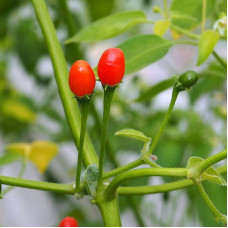
Hot (bitter) pepper «Cumari Brasil» - ripens 110 days after planting the seedlings. A wild type of hot pepper, a white-flowered vigorous pretermisum. The bushes are tall and can reach more than 1m in height.
The fruits are small, oval, red in colo..
$1.99
 0
0
In stock
Product Code: 15672
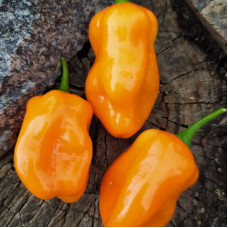
Hot (bitter) pepper «Habanero Roger's giant orange» - is a mid-season, very productive variety. Ripens 110 days after planting. The bush is wide, height 80cm. The fruits are the size of a small apple, heavy and can reach 40-50 grams, they have a good..
$0.99
 0
0
In stock
Product Code: 15394
Hot (bitter) pepper Mulato» - is an early-ripening variety of the Poblano type, but less spicy and milder. The height of the bush is 50-70cm. Large cone-shaped fruits with wrinkled skin ripen from dark green to dark chocolate color.
Dried fruits a..
$1.99
 0
0
In stock
Product Code: 10104
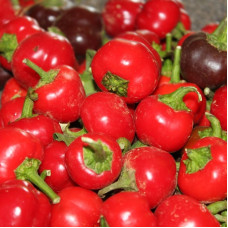
Sweet pepper «Mini bell red» - is a mid-season variety. The fruits are red, 10 grams, cube-shaped, thick-walled. Early ripening. The height of the bush is 30 cm. There are a lot of aromatic, sweet peppers on the bush, ideal for canning and freezing.
..
$0.99
 0
0
In stock
Product Code: 12989
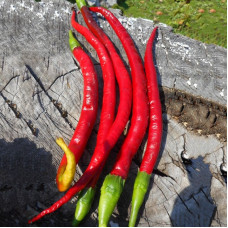
Hot pepper (bitter) «Cayenne Joe’s Long» - its name from the city of Cayenne in French Guiana. It has many beneficial medicinal qualities. For example, cayenne pepper is traditionally used in the treatment of the pulmonary and digestive systems.
C..
$0.99
 0
0
In stock
Product Code: 12986
Sweet pepper «Mercedes»
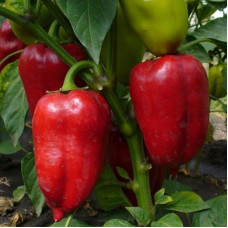
Early ripe high-yielding variety. The period from germination to technical maturity is 105-110 days. Standard bush, 60-70 cm high. Up to 20 cylindrical fruits 13-15 cm long, 6-8 cm wide and weighing 180-220 grams are formed..
$0.99
Pepper Features
Today, there are over 700 types of pepper seeds. Initially, this word denoted a genus of plants of the Pepper family. Now this terminology is used depending on the scope. In cooking, there are three main types: white, green, black. Their difference is only in ripeness and time of collection. A popular variety is the thick-walled specimen.
Initially, pepper appeared in Mexico and Guatemala, Columbus brought it to Europe, like potatoes. First, he was entrenched in the culinary culture of Spain, then England, Hungary, Greece, Bulgaria. It appeared on our territory in the sixteenth century and took root so much that local farmers began to seat it at an enviable speed. And with the advent of science in human life, peppers were found to be bred, creating hybrid species and all kinds of product variations. After 5 centuries, this vegetable has not lost its former popularity, but has only become even more firmly entrenched in the gastronomic cult of almost all countries of the world.
Pepper dishes have been familiar to us since childhood, it can be stuffed, baked, canned or chopped into lecho. Unfortunately, today's prices make it an unaffordable luxury to be able to buy natural vegetables. For residents of country houses, this is all the more not the most rational solution. Therefore, more and more people do without shops, growing vegetable products in the garden. Do not be upset or the inhabitants of the apartments – some peppers can be grown in a pot. To carry out this process, only favorable conditions for the life of the plant and high-quality pepper seeds are needed, which will be discussed further.
Initially, pepper appeared in Mexico and Guatemala, Columbus brought it to Europe, like potatoes. First, he was entrenched in the culinary culture of Spain, then England, Hungary, Greece, Bulgaria. It appeared on our territory in the sixteenth century and took root so much that local farmers began to seat it at an enviable speed. And with the advent of science in human life, peppers were found to be bred, creating hybrid species and all kinds of product variations. After 5 centuries, this vegetable has not lost its former popularity, but has only become even more firmly entrenched in the gastronomic cult of almost all countries of the world.
Pepper dishes have been familiar to us since childhood, it can be stuffed, baked, canned or chopped into lecho. Unfortunately, today's prices make it an unaffordable luxury to be able to buy natural vegetables. For residents of country houses, this is all the more not the most rational solution. Therefore, more and more people do without shops, growing vegetable products in the garden. Do not be upset or the inhabitants of the apartments – some peppers can be grown in a pot. To carry out this process, only favorable conditions for the life of the plant and high-quality pepper seeds are needed, which will be discussed further.
Pepper seed classification
As mentioned, there are an incredible number of varieties. So many that a person who has no experience in agriculture will not understand what's what. & nbsp; Of all the species and subspecies classifications, one can single out the most familiar to every European. Pepper seeds are divided into the following types:
- Hot pepper. The most popular variety is chili, even hotter Jalapeno, waxy Hungarian, Jamaican, red Cherry pepper and others. Despite the pungency, they contain a large amount of useful substances. They are digestion catalysts, used for chronic diseases, diseases of the stomach and intestinal tract in some cases. In the East, flatulence is cured with the help of the pungent Habanero. Due to its small size in most species, it is well suited for growing at home. The process of sowing seeds is recommended to be carried out in winter. You also need to carefully approach the preparation of the soil, laying it out in layers: humus, leafy soil, sand. Indoor hot pepper bushes do not respond well to transplantation, so you need to take care of the "growth" pot in advance.
- Sweet pepper. The second name, which is more popular, is Bulgarian. There are different colors: from yellow to purple. Growing this type is a more complicated procedure and is unlikely to suit inexperienced farmers. Preparing for planting takes a lot of time and knowledge. Sowing pepper seeds – the beginning of the most crucial period, ending with the emergence of seedlings. After all, on the "conscience" the seeds themselves are only 20% failures, 80% - non-compliance with growing technologies. Therefore, it is more reliable to sow germinated seeds for seedlings, which reduce the likelihood of poor germination. To begin with, the purchased seeds must be soaked in infused water with aloe leaves or a small amount of potassium permanganate. This will not harm the plant in any way, but rather relieve harmful bacteria and damage. Seeds should be watered abundantly until the first leaves appear.
How to choose seeds
There are no special technologies for choosing pepper seeds, they are the same and differ in what fruits we get at the end. It is worth choosing, starting from the place of residence: a private house or an apartment. Also, an important factor in choosing is whether it is late or early. The first type matures in about 140 days, while the second takes almost half the time. It is imperative to find out if you are allergic to one or another variety, since this product can also have a negative effect on a sick organism.